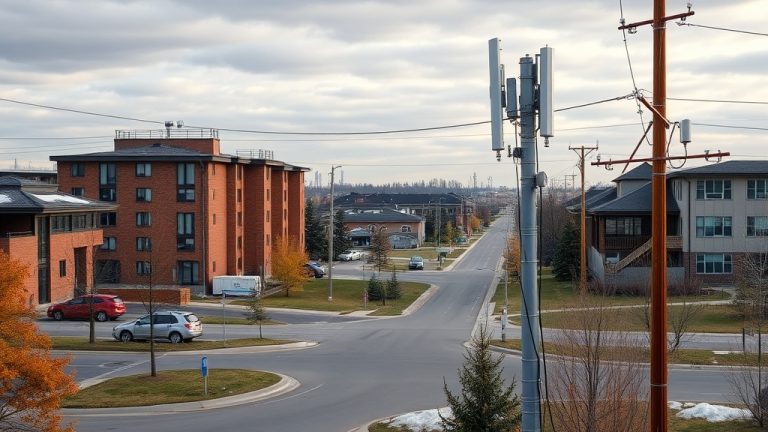

Explore How Telus Fibre Areas Are Revolutionizing Digital Access and Community Growth Nationwide
Introduction to Telus Fibre Areas and Their Impact
Imagine a world where internet connectivity is fast, reliable, and accessible for every household and business. This vision is becoming a reality thanks to the rapid expansion of telus fibre areas. As one of Canada’s leading telecommunications providers, Telus has been investing heavily in fiber-optic infrastructure, revolutionizing digital access across the nation.
The development of telus fibre areas is not just about faster internet; it’s about transforming communities, enabling innovation, and bridging digital divides. These areas are characterized by high-speed, low-latency internet that supports everything from streaming and gaming to remote work and smart home technologies.
As a result, countless regions are experiencing a digital upgrade that enhances quality of life and economic growth. The expansion of telus fibre areas is a game changer, making it essential to understand how these developments influence community development and technological progress across Canada.
How Telus Fibre Areas Are Transforming Connectivity
Enhanced Speed and Reliability in telus fibre areas
One of the most immediate benefits of telus fibre areas is the dramatic increase in internet speed. Fiber-optic technology provides symmetrical upload and download speeds, often exceeding 1 Gbps. This means smoother streaming, quicker downloads, and seamless video conferencing—crucial for remote work and digital entertainment.
Research shows that fiber-optic networks significantly outperform traditional copper lines in terms of reliability. Unlike older infrastructure, fiber is less susceptible to weather-related disruptions or electromagnetic interference, ensuring stable connections even during peak usage.
Step-by-Step: How Telus Expands Fibre Infrastructure
1. **Assessment & Planning:** Telus analyzes community needs and infrastructure pathways.
2. **Laying the Fiber:** Advanced trenching and aerial installation methods are used to deploy fiber cables.
3. **Network Testing:** Once installed, the network undergoes rigorous testing to ensure optimal performance.
4. **Activation & Customer Connection:** Homes and businesses are connected to the network, often with minimal disruption.
This systematic approach ensures that telus fibre areas are rolled out efficiently, with a focus on quality and long-term sustainability.
Comparing Traditional and Fiber-Optic Networks
| Feature | Traditional Copper Networks | telus fibre areas |
|——————————|——————————|——————————————|
| Speed | Up to 100 Mbps | Up to 1 Gbps or higher |
| Reliability | Susceptible to interference | Highly resistant to interference |
| Latency | Higher latency | Low latency, ideal for real-time apps|
| Maintenance | Frequent repairs | Minimal maintenance required |
The evolution from copper to fiber marks a significant leap forward, making telus fibre areas a cornerstone of modern digital infrastructure.
Community Benefits of Telus Fibre Deployment
Driving Economic Growth
Communities within telus fibre areas experience an economic boost as businesses leverage high-speed internet to expand operations, attract new tenants, and innovate. Small businesses can now access cloud services, e-commerce platforms, and digital marketing tools more efficiently.
Furthermore, fiber deployment creates local jobs during construction and maintenance phases, fostering community development.
Bridging the Digital Divide
A key aspect of telus fibre areas is their potential to bridge socio-economic gaps by providing affordable, high-quality internet to underserved regions. This connectivity empowers students with remote learning opportunities and enables residents to access telehealth services.
Examples of Community Transformation
– In Vancouver, the expansion of telus fibre areas enabled a local tech startup to scale rapidly, attracting investment.
– Rural Alberta communities now participate in national e-commerce markets thanks to reliable fiber internet.
– Schools in remote Indigenous communities have integrated digital learning tools, closing educational gaps.
These examples highlight how telus fibre areas foster community resilience, innovation, and social equity.
Technological Advantages of Telus Fibre Areas
Supporting Smart City Initiatives
With the proliferation of IoT devices and smart infrastructure, telus fibre areas serve as the backbone for smart city projects. From intelligent traffic management to environmental sensors, fiber connectivity ensures data flows seamlessly, improving urban living conditions.
Preparing for 5G and Beyond
The deployment of telus fibre areas is essential for supporting next-generation wireless networks. Fiber optics provide the high capacity and low latency necessary for 5G infrastructure, enabling technologies like autonomous vehicles, augmented reality, and telemedicine.
Compatibility with Emerging Technologies
Fiber networks are inherently future-proof, capable of supporting increasing data demands. As industries evolve, telus fibre areas will continue to facilitate innovation, ensuring Canada remains competitive on the global stage.
Future Outlook and Expansion of Telus Fibre Areas
Looking ahead, Telus plans to expand its fibre footprint significantly, targeting more rural and remote areas. The goal is to reach 90% of Canadian homes and businesses with telus fibre by 2025.
Advancements in construction technology and government incentives are accelerating this expansion, promising wider access and enhanced digital economies. The ongoing development of telus fibre areas signifies a commitment to a more connected, inclusive future.
Moreover, community engagement and public-private partnerships will play pivotal roles in ensuring equitable access, especially in underserved regions.
References and Resources
These resources provide valuable information about telus fibre areas. Check them out for additional insights:
Authoritative Sources on telus fibre areas
-
Telus Corporate Website
Official source detailing Telus fibre deployment strategies and future plans within Canada.Provides updates on telus fibre areas expansion, technology innovations, and community initiatives.
-
Government of Canada – Digital Infrastructure
Regulatory framework and funding programs supporting the growth of fibre optics and telus fibre areas.Insight into policies that accelerate broadband deployment nationwide.
-
Cisco – Fiber Network Technologies
Technical overview of fiber optic technology, supporting the development of telus fibre areas.Provides technical insights and future trends in fiber network deployment.
-
ITU – Fiber Optic Communications & Sustainability
Global perspective on fiber optics’ role in sustainable development and digital equity.Highlights the importance of telus fibre areas for environmental sustainability.
-
TechCrunch – Fiber Internet Innovations
Latest news on fiber internet technologies and deployments, including Telus initiatives.Stay updated on industry trends impacting telus fibre areas.
-
ITU – Canada Digital Development
Official report on Canada’s digital infrastructure progress, including fiber deployment initiatives.Provides context on the national significance of telus fibre areas.

Frequently Asked Questions
What are telus fibre areas?
telus fibre areas refer to regions where Telus has deployed high-speed fiber-optic infrastructure. These areas benefit from ultra-fast internet, low latency, and reliable connectivity, supporting modern digital needs for homes and businesses.
How do telus fibre areas improve internet speed?
Fiber-optic cables transmit data using pulses of light, allowing for incredibly fast speeds and higher bandwidth compared to traditional copper lines. In telus fibre areas, this technology enables symmetrical upload and download speeds, supporting demanding online activities without lag.
Are telus fibre areas accessible in rural regions?
Yes, Telus is actively expanding its fibre network into rural and remote areas. While deployment in these regions takes longer due to logistical challenges, many rural communities are now gaining access to
Future plans include expanding fiber coverage to more regions, upgrading existing infrastructure, and integrating with emerging technologies like 5G and smart city solutions. This ongoing development will ensure that telus fibre alberta Find out more information about “telus fibre areas” Search for more resources and information: Experiencing issues with your TELUS home security system can be frustrating, especially when you rely on it for peace of mind. Have you ever been bombarded by unwanted calls, or found yourself missing important calls due to active call forwarding? Are you frustrated because your telus rewards on app not working? You’re not alone. Many Telus users encounter issues where their rewards don’t load, or… Ever wondered what happens when your essential services suddenly go dark? For residents near Mill Woods Edmonton, recent telus outage update near mill woods… The recent telus outage alberta update today twitter reddit has left many residents and businesses scrambling to stay connected. When your telus boost wifi 6 lite not working, it can be frustrating, especially if you’re relying on high-speed internet for work, streaming, or gaming.What future developments are expected for telus fibre areas?

Similar Posts
Troubleshooting TELUS Home Security Not Working: Proven Strategies to Restore Your System Quickly
Say Goodbye to Unwanted Calls: Expert Guide to Telus Call Forwarding Turn Off and Regain Control
Unlock the Secret to Fixing Telus Rewards on App Not Working and Maximize Your Benefits Today
Seamless Connectivity Solutions During the Telus Outage Near Mill Woods Edmonton: What Residents Need to Know
Real-Time Updates on the Telus Outage Alberta Situation Today via Twitter and Reddit: What You Need to Know to Stay Connected
Why Your Telus Boost WiFi 6 Lite Isn’t Working and How to Fix It Quickly