Discover the Hidden Network Infrastructure: Which Towers Power Telus and Ensure Your Uninterrupted Service
Understanding Telus’ Network Infrastructure
Telus, one of Canada’s leading telecommunications providers, has built a vast and sophisticated network infrastructure to deliver seamless service across the country. While many users focus on the devices they use or the plans they select, the backbone of reliable connectivity lies in the network’s physical components—particularly, its towers.
This raises an essential question: what towers does telus use? Knowing which towers power Telus’ network can shed light on the quality, coverage, and future expansion plans of this telecom giant. To understand this fully, it’s crucial to explore the role of cellular towers, how Telus manages its infrastructure, and what sets its network apart from competitors.
The reality is, Telus relies on a combination of owned towers and shared infrastructure operated by third-party tower companies. This hybrid approach allows Telus to maximize coverage and maintain high service standards, even in remote or rural areas. Moreover, with the rollout of 5G, the question of what towers does telus use becomes increasingly relevant, as new 5G-specific towers and small cells are integrated into the existing network.
In this article, we delve into the specifics of Telus’ tower network, what types of towers are involved, and how this infrastructure ensures your uninterrupted service.
What Towers Does Telus Use? An In-Depth Look
Understanding what towers does telus use requires examining both the infrastructure itself and Telus’ strategic partnerships.
Types of Towers in Telus’ Network
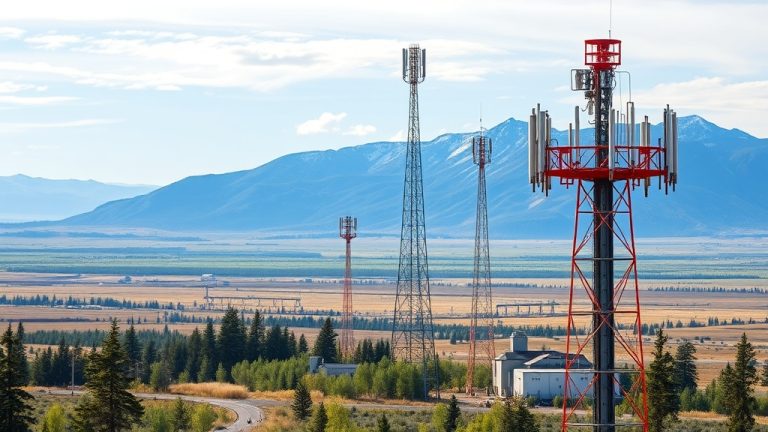
Telus employs a variety of tower types to support its extensive coverage:
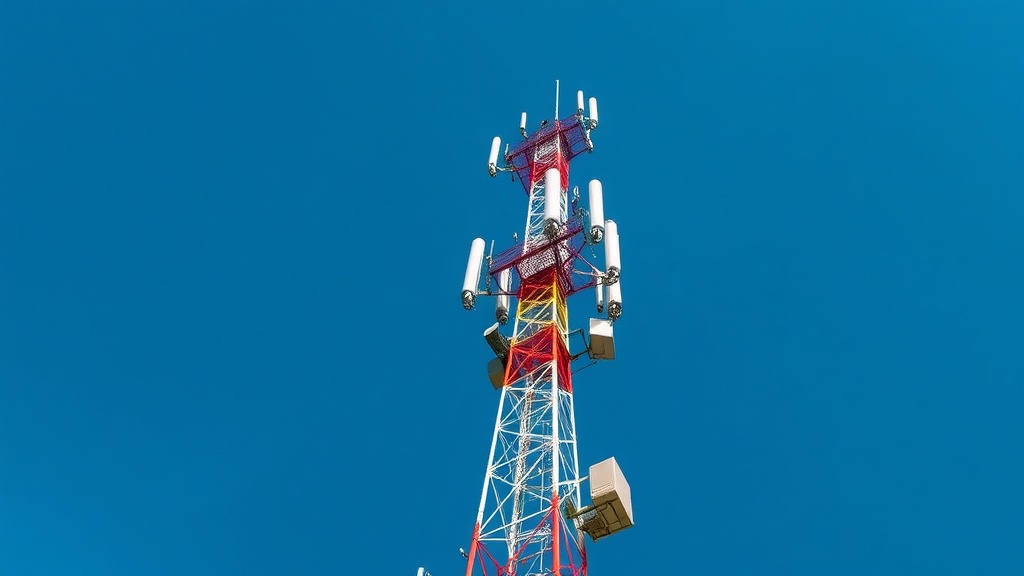
- Main Cellular Towers: High-rise or tall towers equipped with multiple antennas that serve large geographic areas.
- Microcells and Small Cells: Compact, low-power base stations installed in urban environments or indoor locations to boost capacity and coverage where signals are weak.
- Distributed Antenna Systems (DAS): Networks of antennas integrated into buildings or campuses to enhance indoor coverage.
- Shared Infrastructure Towers: Towers operated by third-party companies like Crown Castle or American Tower, which Telus leases for cost efficiency and expanded reach.
**How does Telus decide which towers to use?**
Research shows that Telus strategically partners with major tower operators, ensuring their equipment is mounted on high-capacity, reliable structures. This not only optimizes coverage but also reduces the latency and interference issues, providing users with fast, reliable service.
What Towers Does Telus Use for 4G and 5G?
When considering what towers does telus use for 4G versus 5G, the distinction is notable. For 4G, traditional tall towers equipped with LTE antennas suffice, covering broad areas with high capacity. However, for 5G, Telus invests heavily in small cells and urban micro-towers, which can be densely deployed in city centers to support the higher frequency bands.
This transition involves installing hundreds of small, 5G-specific towers—often on existing structures like lamp posts or rooftops—to ensure dense coverage and high data speeds. Additionally, Telus is leveraging its existing tower network, upgrading many to support 5G antennas, which makes the question of what towers does telus use for 5G particularly interesting.
**Comparison Point:**
| Aspect | 4G Towers | 5G Towers |
|———|————–|————|
| Location | Tall, strategically placed | Small, densely deployed in urban areas |
| Technology | LTE antennas | mmWave and sub-6 GHz bands |
| Coverage | Wide-area | High-density, localized |
This evolution in tower infrastructure underscores Telus’ commitment to providing uninterrupted, high-speed connectivity.
How Does Telus Maintain Its Tower Network?
Maintaining such a vast infrastructure involves regular inspections, upgrades, and strategic planning. Telus’ approach includes:
– **Partnering with Tower Companies:** Telus leverages existing towers owned by third-party providers, which accelerates deployment and reduces costs.
– **Building New Towers:** In areas with coverage gaps, Telus constructs new towers, especially for rural regions.
– **Upgrading Existing Infrastructure:** Moving from 4G to 5G often involves upgrading antennas and backhaul equipment on existing towers.
– **Monitoring and Automation:** Advanced monitoring systems detect issues proactively, ensuring minimal service disruptions.
The combination of these strategies ensures that when you ask, what towers does telus use, the answer is a dynamic mix of owned and shared infrastructure designed for maximum reliability.
How Telus Selects and Maintains Its Towers
Choosing the right towers is critical for network performance. Telus follows a multi-step process:
- Coverage Analysis: Identifying areas with weak or no signal using data analytics.
- Infrastructure Assessment: Evaluating existing towers for suitability or potential sites for new towers.
- Partnership Negotiations: Collaborating with tower owners like Crown Castle and American Tower, to lease or co-locate equipment.
- Deployment and Upgrades: Installing new antennas or upgrading existing ones for enhanced 4G/5G capabilities.
- Continuous Monitoring: Using real-time data to optimize tower performance and plan future expansions.
This strategic approach ensures your service remains uninterrupted, regardless of your location, by constantly optimizing the network’s physical backbone.
**What Towers Does Telus Use in Rural vs. Urban Areas?**
In rural zones, Telus often relies on standalone towers, sometimes built specifically for coverage in remote regions. In contrast, urban areas benefit from dense deployments of small cells and co-located antennas on existing structures, maximizing capacity and speed.
It’s worth noting that in many cases, the choice of what towers does telus use is driven by geographic, demographic, and technological factors, all aimed at providing seamless connectivity.
The Future of Telus’ Tower Network and 5G Expansion
Looking ahead, Telus is heavily investing in the evolution of its tower infrastructure. The rollout of 5G is a game-changer, requiring a denser network of small cells and advanced macro towers. This expansion involves:
– Upgrading existing towers to support 5G bands
– Installing new small cells in urban and suburban areas
– Integrating Internet of Things (IoT) infrastructure for smarter city networks
– Collaborating with municipalities for urban deployment
As a result, the question of what towers does telus use will continue to evolve, reflecting technological advancements and increasing demand for high-speed connectivity.
In conclusion, Telus’ network infrastructure is a complex, carefully planned system of various tower types—owned and shared—that work together to provide reliable, high-quality service. Whether you’re in a city or rural area, understanding what towers does telus use helps appreciate the technology behind your seamless connection.
References and Resources
These resources provide valuable information about what towers does telus use. Check them out for additional insights:
Authoritative Sources on what towers does telus use
-
Crown Castle
Major tower infrastructure provider partnering with Telus for shared cellular towers across North America.Provides insights into tower deployment strategies and shared infrastructure models relevant to what towers Telus uses.
-
American Tower
A leading global tower operator with numerous sites used by Telus and other carriers.Explores the types of towers and infrastructure used in mobile networks, including 5G upgrades.
-
Telus Official Website
Provides details about Telus’ network infrastructure, including partnerships and technological upgrades.A valuable resource for understanding how Telus integrates various tower types into its network.
-
FCC Wireless Infrastructure Data
U.S.-based data on tower locations and carriers, offering comparative insights relevant to Canadian networks.Helps understand the broader context of tower deployment strategies.
-
5G Americas
Industry organization providing insights into 5G infrastructure deployment, including tower strategies.Aids in understanding how what towers does telus use are evolving with 5G technology.
-
Mobile World Live
Industry news source offering updates on telecom infrastructure and tower deployments worldwide.Provides context for how Telus’ tower network fits into global trends.
-
Telecoms.com
Offers analysis on telecom infrastructure investments, including tower sharing and 5G deployment strategies.Helps clarify the strategic importance of tower selection and maintenance for service reliability.
-
TechCrunch
Technology news focusing on telecom infrastructure innovations, including tower technologies.Provides insights into future developments that will impact what towers Telus uses.

Frequently Asked Questions
What are the main types of towers used by Telus?
Telus primarily utilizes macro towers, small cells, and distributed antenna systems to provide comprehensive coverage. Macro towers are large, high-capacity structures found in rural and urban areas, while small cells are deployed densely in cities to support 5G and high data demand. Distributed antenna systems help indoors, ensuring seamless service inside buildings and campuses.
How does Telus choose which towers to upgrade or build?
Telus conducts detailed coverage analyses, customer demand evaluations, and site assessments to determine where upgrades or new towers are necessary. They prioritize areas with weak signals or high congestion, often partnering with existing tower operators to co-locate equipment, which allows for efficient upgrades—especially relevant when expanding what towers does telus use.
Are Telus’ towers shared with other carriers?
Yes, Telus often shares infrastructure with other carriers through tower-sharing agreements. This strategy reduces costs and accelerates coverage expansion, especially in rural or hard-to-reach areas. Shared towers are common in North America and help Telus maintain a resilient and extensive network, answering the question of what towers does telus use for their infrastructure.
What role do small cells play in Telus’ network?
Small cells are critical for dense urban areas, providing localized coverage and supporting the high-speed demands of 5G. They are installed on lamp posts, building rooftops, and other structures, complementing larger macro towers. This deployment is central to Telus’ strategy to enhance capacity and speed, especially when considering what towers does telus use for 5G.
Conclusion
Understanding what towers does telus use reveals the complexity and sophistication of its network infrastructure. From macro towers in rural areas to dense small cell deployments in urban centers, Telus has crafted a resilient architecture that ensures your connectivity remains uninterrupted. As technology advances and 5G becomes more prevalent, the importance of strategic tower deployment will only grow.
Ultimately, the choice and maintenance of these towers are central to Telus’ mission of delivering reliable, high-speed service across Canada. Whether you’re in a remote region or a bustling city, the invisible infrastructure of towers works tirelessly to keep you connected. Stay tuned for ongoing innovations, as the future of Telus’ tower network promises even faster, smarter connectivity.
is telus down in ontario today

Find out more information about “what towers does telus use”
Search for more resources and information: