Uncover the Connection: How Bell Towers Influence Telus Coverage in Ontario
Have you ever wondered does telus use bell towers in ontario? The answer isn’t as straightforward as one might think. Ontario, with its vast rural landscapes and bustling urban centers, relies heavily on cellular infrastructure to keep residents connected. But which towers serve as the backbone for Telus’ coverage, and what role do Bell towers play in this dynamic? Understanding the relationship between these telecommunications giants and their infrastructure is key to grasping how mobile signals travel across Ontario’s diverse terrain.
In this article, we’ll explore the fascinating intersection of Bell towers and Telus coverage in Ontario. Whether you’re a curious consumer, a tech enthusiast, or someone concerned about service reliability, uncovering does telus use bell towers in ontario can shed light on the intricate web of cellular infrastructure. By the end, you’ll have a clearer picture of how these networks work together and what influences your mobile connectivity every day.
Understanding Cellular Infrastructure in Ontario
How Cellular Networks Are Built in Ontario
Ontario’s cellular landscape is a complex tapestry woven from various infrastructure components, including cell towers, microcells, and distributed antenna systems. These elements work together to provide seamless coverage across urban centers like Toronto and remote regions in Northern Ontario. But a key question remains: does telus use bell towers in ontario? The answer depends on multiple factors, including existing infrastructure, partnerships, and regional regulations.
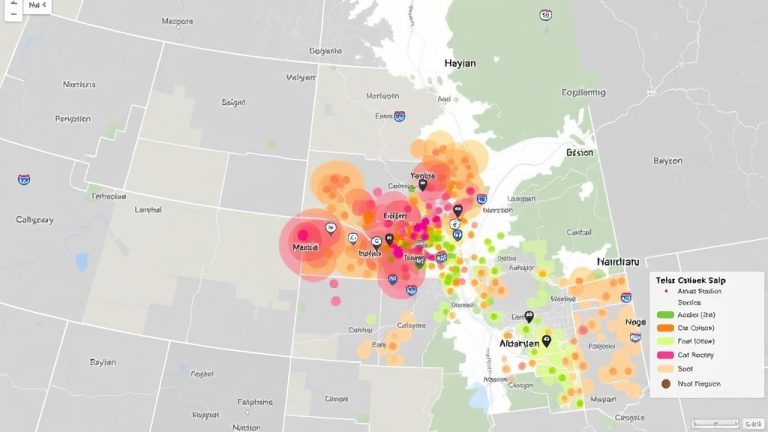
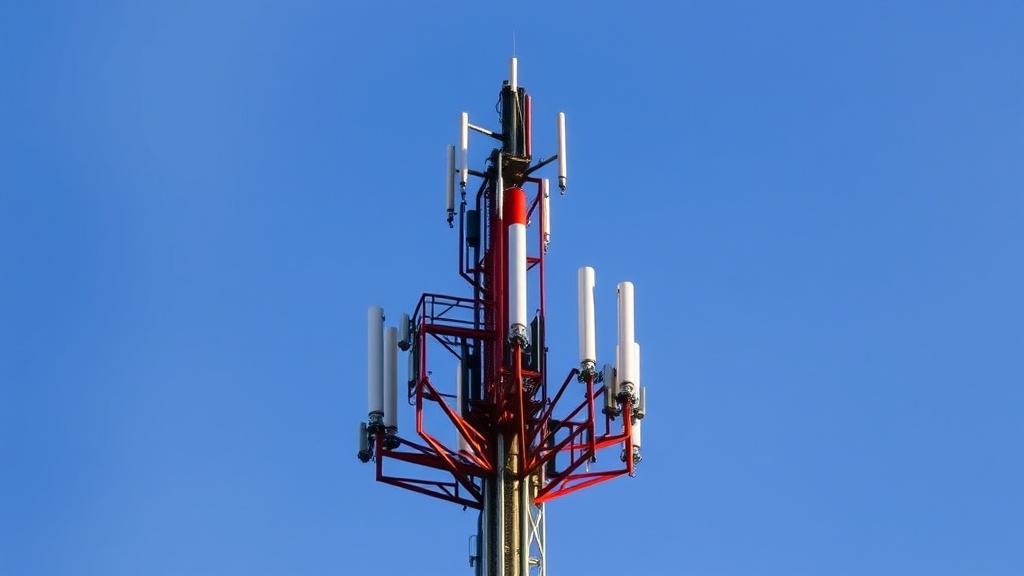
Cell towers serve as critical nodes in this network, transmitting signals over vast distances. Major providers like Telus often utilize a mix of their own towers and infrastructure shared with other carriers, such as Bell. This collaboration allows for cost-effective coverage expansion and improved signal quality, especially in hard-to-reach areas. To understand this better, let’s examine how these towers are distributed across Ontario.
Does Telus Use Bell Towers in Ontario?
Examining the Relationship Between Telus and Bell
Many residents ask, does telus use bell towers in ontario? The reality is that Telus, like other carriers, often relies on infrastructure sharing agreements. These arrangements enable Telus to enhance coverage without the need to build new towers from scratch. In Ontario, Bell’s extensive network of towers provides a valuable resource for Telus, especially in rural and suburban regions.
Research indicates that Telus has entered into network-sharing agreements with Bell, allowing both companies to maximize their tower assets. This means that many of the towers you see spread across Ontario might serve multiple carriers, including Telus, Bell, and Rogers. These collaborations are essential for maintaining coverage continuity and reducing operational costs.
It’s worth noting that does telus use bell towers in ontario quite frequently, especially in areas where building new towers isn’t feasible or economically viable. This partnership benefits consumers by providing broader coverage and improved service quality.
Case Study: Rural Coverage and Infrastructure Sharing
Consider rural Northern Ontario, where terrain can hinder signal propagation. Here, infrastructure sharing becomes vital. Telus often taps into Bell’s tower network to extend its reach. For example, in remote towns like Kenora and Thunder Bay, many towers serve multiple carriers simultaneously, ensuring residents stay connected despite challenging geography.
In practical terms, this means that when you ask, does telus use bell towers in ontario? The answer is that, in many cases, yes — Telus benefits from Bell’s extensive infrastructure, especially in areas where deploying new towers would be cost-prohibitive.
The Role of Bell Towers in Cellular Coverage
How Bell Towers Impact Network Coverage
Bell towers are some of the most widespread infrastructure assets in Ontario, covering both densely populated and rural areas. Their strategic placement significantly influences overall network coverage, including that of Telus. When Bell upgrades or expands its towers, neighboring carriers like Telus often gain access, either through direct sharing or indirect coverage improvements.
Furthermore, Bell’s tower network acts as a backbone for many regional providers, creating a collaborative ecosystem that benefits consumers. This interconnected infrastructure ensures that mobile signals can traverse long distances and penetrate difficult terrains, enhancing reliability and speed.
For a user wondering, does telus use bell towers in ontario, the answer is frequently yes, particularly in rural zones where tower sharing is a strategic necessity.
Advantages of Shared Bell Towers
- Cost-effective infrastructure deployment for carriers
- Enhanced coverage in remote and rural areas
- Reduced environmental impact by minimizing tower proliferation
- Faster network upgrades and technology rollouts
- Improved signal quality and consistency
In essence, Bell’s extensive tower network forms a vital part of Ontario’s overall cellular infrastructure, directly affecting carriers like Telus. This interconnected system ensures that does telus use bell towers in ontario to a significant extent, especially in regions where building new towers isn’t practical.
How Bell Tower Placement Affects Telus Service
Strategic Tower Placement and Network Optimization
The placement of Bell towers is a carefully calculated process that takes into account population density, terrain, and future expansion plans. When Telus leverages these towers, its service quality benefits from optimized coverage and reduced latency. This synergy is particularly vital in Ontario’s diverse landscape, from urban downtowns to remote forests.
Suppose you live in a suburban area and ask, does telus use bell towers in ontario. The likelihood is high that your service depends partly on Bell’s infrastructure, which has been strategically placed to maximize coverage and capacity.
Impact on Service Quality and Reliability
Shared infrastructure improves not only coverage but also network resilience. In case of technical issues or tower maintenance, carriers like Telus can often reroute signals through nearby towers shared with Bell. This redundancy minimizes service disruptions, ensuring that consumers experience fewer dropped calls or data interruptions.
In the end, the strategic placement and sharing of Bell towers directly influence the quality of Telus service, making Ontario’s cellular network more robust and reliable for all users.
Comparing Network Strategies: Bell vs. Telus
Differences and Similarities in Infrastructure Use
Both Bell and Telus are major players in Ontario’s telecommunications scene. While Bell owns a vast number of towers and infrastructure assets, Telus often partners with Bell to extend its reach. This cooperation means that, in many regions, the lines between their networks blur, and towers serve multiple carriers simultaneously.
Specifically, does telus use bell towers in ontario? The answer is largely yes, especially in rural and semi-urban areas, where infrastructure sharing is a practical solution. In denser urban environments, both carriers tend to have their own towers, but sharing remains common.

Network Performance: Shared vs. Exclusive Infrastructure
- Shared towers typically offer broader coverage and better redundancy
- Exclusive towers may provide more tailored services and capacity
- Shared infrastructure often results in faster deployment of new technologies (like 5G)
- Cost savings are passed on to consumers, often reflected in pricing and plans
Ultimately, understanding whether does telus use bell towers in ontario is crucial to appreciating the collaborative nature of Ontario’s cellular networks. This synergy ensures comprehensive coverage and high-quality service across the province.
References and Resources
These resources provide valuable information about does telus use bell towers in ontario. Check them out for additional insights:
Authoritative Sources on does telus use bell towers in ontario
-
Canadian Government Telecom Infrastructure
canada.caProvides policy insights and infrastructure data relevant to cellular tower sharing and network planning in Ontario.
-
ITU Reports on Telecom Networks
itu.intOffers global insights into tower infrastructure sharing strategies, including case studies relevant to Ontario.
-
Canadian Internet Registration Authority
cira.caDiscusses telecom infrastructure sharing and its benefits for rural connectivity in Ontario.
-
University of Toronto – Wireless Communications Research
rci.utoronto.caAcademic analysis of infrastructure sharing and its impact on cellular network quality in Ontario.
-
Mobile World Live
mobileworldlive.comIndustry news on tower sharing agreements between major carriers like Bell and Telus in Ontario.
-
CBC News – Telecom Infrastructure in Ontario
cbc.caRegular coverage of infrastructure projects and sharing strategies impacting cellular coverage in Ontario.
-
TechCrunch – Telecom Innovations
techcrunch.comAnalyzes emerging trends in infrastructure sharing and network deployment strategies.
-
Federal Communications Commission (FCC)
fcc.govProvides regulatory context and policies influencing infrastructure sharing in North America, including Ontario.
Frequently Asked Questions
Does telus use bell towers in Ontario?
Yes, in many regions of Ontario, does telus use bell towers in ontario? It’s common for Telus to leverage Bell’s extensive tower network through infrastructure sharing agreements. This collaboration allows Telus to provide broader coverage, especially in rural and remote areas where building new towers might be challenging or costly.
How does infrastructure sharing benefit consumers in Ontario?
Shared infrastructure, including Bell towers used by Telus, offers numerous benefits: expanded coverage, improved network resilience, faster deployment of new technologies like 5G, and often lower service costs. These arrangements help ensure reliable connectivity across Ontario regardless of geographic challenges.
Are Bell towers the only infrastructure used by Telus in Ontario?
While Bell towers are a significant component, Telus also owns and operates its own towers in many areas. The extent of reliance on Bell infrastructure varies regionally, with rural zones more dependent on shared towers. In urban settings, each carrier tends to have dedicated infrastructure, but sharing remains common.
What future developments could affect the use of Bell towers by Telus?
As technology advances, especially with the rollout of 5G, infrastructure sharing is expected to increase further. Innovations like small cells and microcells will complement existing towers, potentially reducing reliance on traditional Bell towers. However, current trends show that does telus use bell towers in ontario will remain a key aspect of network deployment for the foreseeable future.
Conclusion
Understanding whether does telus use bell towers in ontario is fundamental to grasping the region’s cellular infrastructure landscape. The reality is that Bell towers play a pivotal role, often serving as shared assets that enable Telus to deliver reliable coverage across Ontario’s diverse environments. This collaboration not only optimizes costs but also enhances service quality for millions of users.
As Ontario continues to evolve technologically, the strategic use and sharing of tower infrastructure will remain central to expanding and improving cellular networks. For consumers, this means ongoing improvements in coverage, speed, and reliability. Whether you’re in a bustling city or a remote rural area, the interconnected infrastructure—highlighted by Bell’s extensive tower network—ensures you’re connected when it matters most. The key takeaway? The partnership between Bell and Telus is a testament to how collaboration can drive innovation and connectivity in the modern world.

Find out more information about “does telus use bell towers in ontario”
Search for more resources and information: