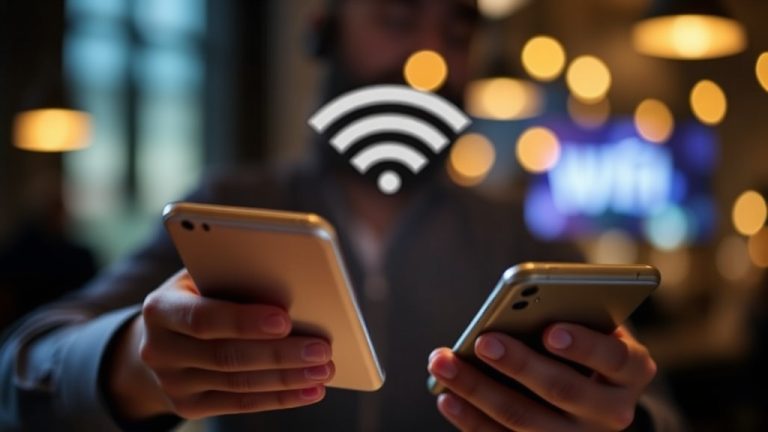

Simplify Your Access and Strengthen Security with Telus 2fa Solutions
In an era where cyber threats are becoming increasingly sophisticated, securing your digital assets has never been more critical. For businesses and individual users alike, telus 2fa offers a robust solution to simplify access without compromising security. But what exactly makes telus 2fa a game-changer in the realm of digital authentication? And how can you leverage its features to protect sensitive information effectively? This comprehensive guide explores everything you need to know about telus 2fa, from its core benefits to practical implementation strategies.
Understanding Telus 2fa and Its Importance
Two-factor authentication (2fa) has become a standard security measure, and telus 2fa is no exception. It provides an additional layer of protection by requiring users to verify their identity through two distinct methods—typically something they know (password) and something they have (a mobile device, security token, or biometric verification).
Implementing telus 2fa is crucial because passwords alone are no longer sufficient to safeguard sensitive data. Cybercriminals constantly develop new techniques to bypass traditional security measures. Telus 2fa mitigates this risk by making unauthorized access significantly more difficult, even if passwords are compromised. Whether you’re managing corporate accounts or personal online profiles, telus 2fa simplifies secure access while fortifying defenses against hacking attempts.
How Telus 2fa Enhances Security
Benefits of Telus 2fa in Protecting Digital Assets
One key aspect of telus 2fa is its ability to drastically reduce the risk of unauthorized access. For example, if a hacker obtains a user’s password, they would still need the second factor—often a unique code sent to a trusted device—to complete login. This layered approach makes breaches far less likely.
Research indicates that organizations implementing 2fa experience a significant drop in security breaches. According to cybersecurity reports, 2fa can prevent up to 99.9% of automated attacks. For businesses utilizing telus 2fa solutions, this translates to enhanced data protection, regulatory compliance, and increased customer trust.
Comparison of Telus 2fa with Other Security Measures
- Password-only security: Vulnerable to phishing, brute-force, and credential stuffing attacks.
- Biometric authentication: Adds convenience but can have privacy concerns and false acceptance issues.
- Multi-factor authentication (MFA): Broader than 2fa, involving multiple verification layers, but often more complex to implement.
In contrast, telus 2fa strikes a balance by providing strong security with user-friendly setup. It often leverages mobile apps, SMS codes, or hardware tokens, making it adaptable across various platforms and devices.
Implementing Telus 2fa: A Step-by-Step Guide
Getting Started with Telus 2fa
Implementing telus 2fa is straightforward, especially with the comprehensive support from Telus. Here’s a simplified process to get you started:
- Register your account on the Telus 2fa platform or compatible service portal.
- Download the Telus Authenticator app or select your preferred authentication method (SMS, email, hardware token).
- Link your account to the selected 2fa method by following the setup prompts.
- Verify your setup by completing a test login, where you’ll enter your password and the second authentication factor.
- Enable 2fa for all critical accounts and regularly review access logs for suspicious activity.
With these steps, you can significantly enhance your security posture while maintaining easy access to your accounts. Remember, the goal of telus 2fa is to streamline security without adding unnecessary complexity.
Best Practices for Using Telus 2fa Effectively
- Keep your authentication device secure—use biometric locks or PINs for mobile devices.
- Backup your 2fa recovery codes in a safe location in case of device loss.
- Regularly update your authentication app and software to ensure optimal security.
- Educate team members about phishing risks related to 2fa codes and prompts.
Comparing Telus 2fa with Other Authentication Methods
While telus 2fa is robust, understanding its advantages over other methods can help you make informed security decisions.
Traditional Passwords vs. Telus 2fa
Passwords alone are increasingly vulnerable to theft and guessing attacks. Introducing telus 2fa transforms a simple password into part of a multi-layered security system, drastically reducing the risk of unauthorized access.
Hardware Tokens and Mobile Authentication
Hardware tokens, such as key fobs, provide a physical second factor, but they can be costly and less convenient. Mobile-based telus 2fa solutions leverage smartphones, offering flexibility and ease of use without sacrificing security.
Biometric Authentication vs. Telus 2fa
Biometric methods like fingerprint or facial recognition are quick and user-friendly but can be compromised or spoofed. Combining biometric verification with telus 2fa creates a more resilient security framework, minimizing vulnerabilities.
Real-World Applications and Case Studies
Many organizations have adopted telus 2fa to safeguard sensitive data. For instance, a Canadian financial institution integrated telus 2fa across its online banking platform, resulting in a 70% reduction in fraud incidents within the first year.
Similarly, healthcare providers using telus 2fa for patient portals can ensure compliance with privacy regulations while providing patients with secure access. Small businesses benefit from telus 2fa by protecting customer data and maintaining trust in digital transactions.
The reality is, telus 2fa adapts to diverse sectors, offering scalable security solutions that balance convenience and protection.
References and Resources
These resources provide valuable information about telus 2fa. Check them out for additional insights:

Authoritative Sources on telus 2fa
-
Telus Security Solutions
Official Telus page detailing their telus 2fa offerings and security protocols.Provides comprehensive guidance on deploying telus 2fa for enterprise and personal use.
-
Canadian Cybersecurity Agency
Trusted resource offering best practices for multi-factor authentication including telus 2fa.Insight into security standards and compliance requirements involving telus 2fa.
-
TechRadar
Review and comparison of various 2fa solutions, including telus 2fa, highlighting usability and security features.Helpful for consumers evaluating the best 2fa options for personal or business use.
-
National Institute of Standards and Technology
Official standards and guidelines for implementing secure multifactor authentication mechanisms like telus 2fa.Ensures compliance and best practices for organizations seeking to adopt telus 2fa.
-
Forbes Cybersecurity
Latest industry insights on the adoption and effectiveness of telus 2fa in various sectors.Valuable for understanding broader trends and strategic implementation.
-
NIH – National Institutes of Health
Research articles on biometric and multifactor authentication security, including telus 2fa applications.Supporting evidence for the effectiveness of telus 2fa in healthcare cybersecurity.
-
EWeek
Industry analysis on multifactor authentication solutions, including practical deployment tips for telus 2fa.Useful for IT professionals considering telus 2fa integration.
Frequently Asked Questions
What is telus 2fa and how does it work?
Telus 2fa is a two-factor authentication solution that enhances account security by requiring users to verify their identity through two separate methods. Typically, this involves entering a password and providing a second form of verification, such as a code sent via SMS or generated by an authentication app. This layered approach makes unauthorized access significantly more difficult, protecting your data from cyber threats.
How can I set up telus 2fa for my accounts?
Setting up telus 2fa typically involves downloading the Telus Authenticator app or choosing an SMS-based option. You then link your account by scanning a QR code or entering a setup key provided by the service. Once configured, you’ll be prompted for the second verification factor during login, ensuring your account remains protected at all times.
Is telus 2fa compatible with mobile devices?
Absolutely. telus 2fa is designed with mobile compatibility in mind. It works seamlessly with smartphones through dedicated apps, SMS codes, or push notifications. This flexibility allows users to authenticate securely from virtually anywhere, making it an ideal solution for remote work and on-the-go access.
What are the main advantages of using telus 2fa over other methods?
Telus 2fa offers a balance of security and user convenience. Unlike simple password protection, it provides an additional verification step, drastically reducing breach risks. Compared to hardware tokens, telus 2fa solutions are more cost-effective and easier to deploy. Moreover, integration with mobile devices makes it highly accessible, ensuring that security does not hinder user experience.
Conclusion
In today’s digital landscape, the importance of robust security measures cannot be overstated. telus 2fa stands out as a practical, reliable solution that simplifies secure access while protecting sensitive information. Whether you’re an individual seeking peace of mind or a business aiming to comply with industry standards, adopting telus 2fa is a smart move.
By integrating telus 2fa into your authentication processes, you not only strengthen your defenses but also streamline user experience. Remember, the key to effective cybersecurity lies in layered protection—telus 2fa provides just that. Take the next step towards securing your digital life today.
Find out more information about “telus 2fa”
Search for more resources and information: