
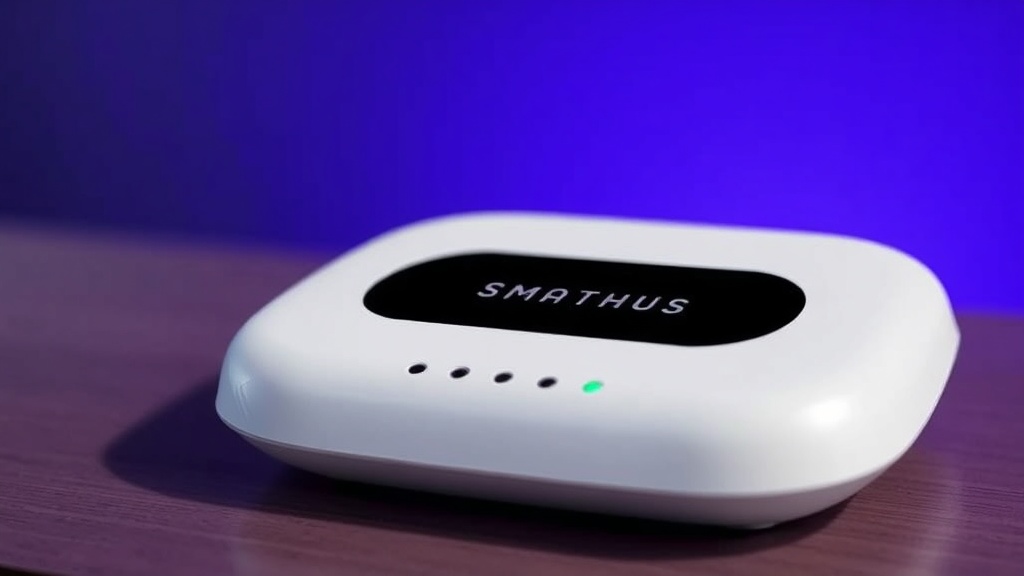
Solve Telus Smart Hub Troubleshooting Challenges and Experience Seamless Connectivity Today
In today’s connected world, a reliable internet connection is essential for work, entertainment, and staying in touch. If you’re experiencing issues with your Telus Smart Hub, understanding telus smart hub troubleshooting can be the difference between frustration and seamless connectivity. Many users face challenges such as slow speeds, dropped connections, or device incompatibility, but these problems are often resolvable with the right guidance.
Are you tired of constant disconnections or sluggish internet performance? The truth is, troubleshooting your Telus Smart Hub need not be daunting. This comprehensive guide walks you through common issues, practical solutions, and preventive measures to ensure your smart hub operates smoothly. Whether you’re a tech novice or an experienced user, mastering telus smart hub troubleshooting will empower you to resolve issues swiftly and regain control over your home or office network.
Understanding telus smart hub troubleshooting
What Does Telus Smart Hub Troubleshooting Entail?
telus smart hub troubleshooting involves identifying, diagnosing, and resolving problems that disrupt internet connectivity or device performance connected to your Telus Smart Hub. This process can range from simple steps like restarting your device to more advanced configurations such as firmware updates or network resets.
The Importance of Effective Troubleshooting
Addressing issues promptly minimizes downtime and prevents minor glitches from escalating into significant disruptions. Proper troubleshooting not only restores your connectivity but also enhances your understanding of your network’s health. For example, a quick reset might fix a slow connection, saving you hours of frustration and potentially costly technician visits.
Common Causes of Telus Smart Hub Troubleshooting Challenges
- Firmware or software bugs
- Overloaded network due to multiple devices
- Physical obstructions or interference
- Incorrect configuration settings
- Faulty hardware components
- ISP outages or maintenance activities
Common Causes of Connectivity Issues and How to Address Them
Identifying and Resolving Firmware or Software Bugs
Many telus smart hub troubleshooting scenarios stem from outdated firmware. Regular updates are crucial for optimal performance. To check for updates:
- Access your Smart Hub’s admin panel via a web browser.
- Navigate to the Settings > Firmware Update section.
- Follow prompts to download and install the latest firmware.
Keeping your device current reduces bugs and security vulnerabilities, ensuring smoother operation.
Managing Network Overload
Suppose multiple devices stream or download large files simultaneously. This overload can cause slow speeds or disconnections. Here’s what to do:
- Limit bandwidth-heavy activities during peak hours.
- Prioritize essential devices via Quality of Service (QoS) settings.
- Disconnect unused devices to free up bandwidth.
Monitoring your network traffic helps maintain consistent performance and minimizes troubleshooting needs.
Reducing Interference and Improving Signal
Physical obstructions like thick walls or electronic interference from microwaves can disrupt your Wi-Fi. Solutions include:
- Placing the hub in a central, elevated location.
- Avoiding obstructions between the hub and connected devices.
- Switching channels to avoid interference from neighboring networks.
In some cases, upgrading to a mesh Wi-Fi system may be necessary for larger homes or complex environments.
Step-by-Step Guide to telus smart hub troubleshooting
Initial Steps to Resolve Common Issues
- Power cycle your smart hub: unplug it, wait 30 seconds, then plug it back in.
- Check for service outages in your area via Telus status updates.
- Ensure all cables are securely connected.
- Verify device compatibility and settings.
Performing these basic steps can often resolve minor connectivity issues without further intervention.
Advanced Troubleshooting Techniques
If issues persist, consider these steps:
- Reset your Smart Hub to factory settings (found in admin panel under Reset Options).
- Update firmware manually if automatic updates fail.
- Change Wi-Fi channels and test signal strength.
- Check for interference sources and relocate the device accordingly.
- Contact Telus support if hardware replacement or professional diagnostics are required.
Remember, telus smart hub troubleshooting often involves iterative testing—patience and methodical steps lead to effective solutions.
Preventive Tips for Seamless Connectivity
Keep Your Network Healthy
Routine checks and updates significantly reduce the need for troubleshooting. Schedule periodic firmware updates, review connected devices, and monitor network performance. Additionally, consider using network management tools provided by Telus for real-time diagnostics.
Maximize Signal Strength
The physical placement of your Telus Smart Hub can make a substantial difference. Place it in an open, central location away from electronic interference. Elevating the device and avoiding placing it near dense walls or metal objects can improve coverage.
Empower Your Household or Office
Ensure all users understand basic troubleshooting steps, such as reconnecting devices or resetting the hub. Clear communication reduces repeated calls to support and speeds up resolving minor issues.

References and Resources
These resources provide valuable information about telus smart hub troubleshooting. Check them out for additional insights:
Authoritative Sources on telus smart hub troubleshooting
-
Telus Support: Internet & Wi-Fi
telus.comOfficial support page offering troubleshooting guides, firmware updates, and FAQs related to Telus Smart Hubs and network issues.
-
Cisco Network Troubleshooting
cisco.comProvides detailed diagnostic tools and techniques applicable to network devices like the Telus Smart Hub.
-
TechRadar: Router Troubleshooting
techradar.comStep-by-step tips on diagnosing and fixing common router issues, applicable to Telus Smart Hubs.
-
Consumer Reports: Best Wireless Routers
consumerreports.orgReviews and recommendations to improve your network setup and avoid troubleshooting issues.
-
ITU: Network Reliability Standards
itu.intGuidelines on maintaining reliable networks, essential for preventing frequent telus smart hub troubleshooting.
-
ReliabilityWeb
reliabilityweb.comResources on best practices for maintaining network stability and troubleshooting techniques.
-
Tech Advisor: Troubleshooting Routers
techadvisor.comPractical advice for diagnosing and fixing common router problems, including Telus Smart Hubs.
Frequently Asked Questions
How do I troubleshoot my Telus Smart Hub when I experience slow internet speeds?
Start by performing a telus smart hub troubleshooting process that includes rebooting the device, updating firmware, and checking for network congestion. Additionally, ensure your hub is optimally placed, and disconnect unnecessary devices to free bandwidth. These steps often resolve speed issues without needing professional assistance.
What are the common causes of telus smart hub troubleshooting issues?
Common causes include outdated firmware, physical interference, network overload, incorrect configuration, or hardware faults. Recognizing these causes helps in applying the right troubleshooting steps to restore your internet connection efficiently.
Can I fix hardware problems with telus smart hub troubleshooting myself?
Some hardware issues, like loose cables or overheating, can be addressed through basic troubleshooting. However, if the hub shows signs of internal failure or persistent faults, contacting Telus support for repairs or replacement is advisable. Always follow safety guidelines and avoid opening the device yourself.
How often should I perform telus smart hub troubleshooting checks?
Regular maintenance, such as firmware updates and performance checks every three to six months, can prevent many issues. Additionally, troubleshoot immediately if you notice connectivity problems, slow speeds, or device disconnections to minimize downtime.
Conclusion
Effective telus smart hub troubleshooting is vital for maintaining a reliable internet experience. By understanding common causes, following systematic steps, and implementing preventive measures, you can significantly reduce downtime and enjoy seamless connectivity.
Remember, whether facing minor glitches or complex hardware issues, a proactive approach and utilizing trusted resources will empower you to resolve problems swiftly. Take control today by mastering the essentials of telus smart hub troubleshooting and ensure your network remains robust and dependable.

Find out more information about “telus smart hub troubleshooting”
Search for more resources and information:
Similar Posts
Unveiling the Speed Secrets: How Fast Is Telus Internet and Why It Matters for Your Home Network
In today’s digital age, understanding how fast is telus internet can significantly impact your online experience, whether you’re streaming, gaming, or…
Surrey Residents Reclaim Connection: How the Telus Outage Map Offers Instant Updates and Peace of Mind
Imagine waking up one morning in Surrey, only to find your internet and mobile services suddenly disrupted. Frustrating, right?
Effortless Internet Assistance: How to Quickly Reach the Telus Support Phone Number for Seamless Connectivity
When your internet connection encounters issues, knowing how to quickly get assistance can save you time and frustration.
Troubleshooting Guide: How to Fix telus phone data not working and Stay Connected Effortlessly
Few frustrations are as disruptive as experiencing telus phone data not working. Whether you rely on your mobile data for work, navigation, or staying…
Discover How telus epp west Enhances Connectivity and Simplifies Management for Businesses
In today’s fast-paced digital landscape, reliable connectivity is the backbone of any successful business. Companies seek solutions that not only boost…