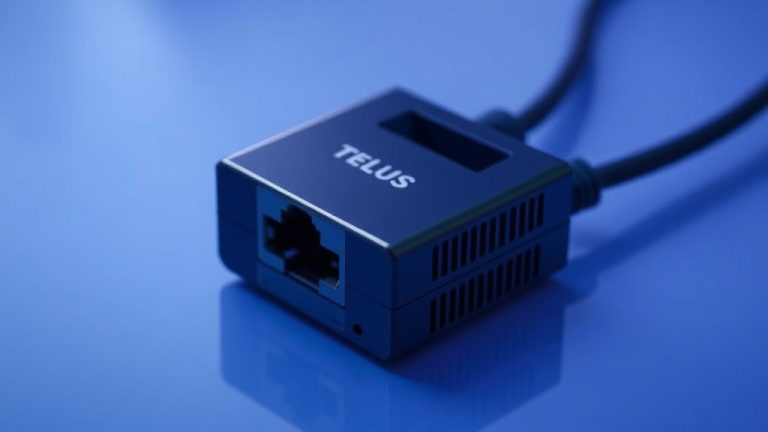

Telus Mobility 3G Transition: How to Stay Connected and Maximize Your Network Experience
Imagine waking up one day only to find that your trusted mobile network, specifically telus mobility 3g, has suddenly become unreliable or completely unavailable. For millions of Telus customers, this scenario is becoming a reality as the company phases out its aging 3G network. Understanding the telus mobility 3g transition is essential for users who want to stay connected without disruptions. This comprehensive guide covers everything you need to know about the telus mobility 3g shutdown, how to prepare, and ways to maximize your network experience moving forward.
The shift away from telus mobility 3g isn’t just a technical upgrade—it’s a strategic move aimed at enhancing network efficiency and paving the way for faster, more reliable 4G and 5G services. However, for many users, this change might seem daunting, especially if their devices or services are still dependent on 3G. Staying informed and proactive is the key to ensuring your connectivity remains seamless. In this article, we’ll explore the reasons behind the telus mobility 3g shutdown, what it means for customers, and practical steps to adapt effectively.
Understanding the Telus Mobility 3G Sunset
The transition from telus mobility 3g to newer network standards has been ongoing for several years. Essentially, Telus announced that it would retire its 3G network to repurpose spectrum for advanced 4G LTE and 5G technology. This move aligns with industry trends, as carriers worldwide phase out aging networks to improve overall service quality and capacity.
What is telus mobility 3g? A Brief Overview
**telus mobility 3g** refers to the third-generation mobile network technology that provided widespread coverage across Canada for years. It supported basic voice calls, SMS, and limited data services. However, as networks evolve, the limitations of 3G—such as slower speeds and reduced capacity—become evident, prompting operators like Telus to decommission these legacy systems.
Research shows that many devices still rely heavily on telus mobility 3g for voice and data, despite the availability of faster networks. The reality is that the sunset of 3G is inevitable, but it also presents an opportunity to upgrade to more robust, future-proof connectivity options.
Timeline and Scope of the telus mobility 3g Shutdown
- Initial phase: Announced in 2021, with gradual decommissioning starting in 2022.
- Complete shutdown: Expected by the end of 2024 in most regions.
- Geographic scope: Urban centers, rural areas, and remote communities are all affected differently depending on infrastructure upgrades.
Understanding this timeline helps users plan their device upgrades and service adjustments accordingly. For telus mobility 3g users, staying ahead of these changes minimizes service interruptions.
Implications of the telus mobility 3g Shutdown
How the Transition Affects Your Mobile Devices
Many older smartphones, tablets, and IoT devices still depend on telus mobility 3g for voice calls and data. When the network is decommissioned, these devices may experience dropped calls, no service, or limited functionality. For example, a device without LTE or 5G capabilities will struggle to connect once 3G is phased out.
It’s worth noting that some devices support multiple bands, making the transition smoother. However, users with basic or outdated phones should consider upgrading to newer models compatible with 4G LTE or 5G networks.
Impact on Emergency Services and IoT Devices
Emergency services often rely on reliable networks, and the telus mobility 3g shutdown raises concerns about backup communication channels. Additionally, many IoT devices—such as security cameras, medical monitors, and smart home gadgets—depend on 3G connectivity. Transition plans must include device upgrades or replacements to ensure continued operation and safety.
Customer Service and Support Challenges
Telus has committed to providing support during this transition, but delays or confusion may occur. Customers should proactively consult with Telus representatives or visit their official website to confirm device compatibility and plan upgrades. Notably, telus mobility 3g customers who delay upgrades risk losing service altogether.
How to Prepare for the Transition from telus mobility 3g
Step-by-Step Guide to Upgrading Your Devices
- Check device compatibility: Determine if your current device supports LTE or 5G. Most modern smartphones do, but older models might not.
- Visit the Telus device support page: Confirm whether your device will be affected by the telus mobility 3g shutdown.
- Upgrade if necessary: Purchase a new device that supports newer networks. Consider models with 4G LTE or 5G capabilities for future-proofing.
- Backup your data: Before switching devices, ensure your contacts, photos, and essential data are safely backed up.
- Activate your new device: Follow Telus instructions to set up the new device and transfer your data.
Choosing the Right Device to Maximize Network Experience
When selecting a new device, prioritize compatibility with Telus’s current and future network offerings. Devices supporting telus mobility 3g alternatives like LTE or 5G will ensure uninterrupted service and improved speeds. For example, upgrading from an old 3G-only phone to a 5G-capable device can significantly enhance your browsing, streaming, and download experiences.
Furthermore, some devices come with features designed for optimal network performance, such as dual SIM support, extended battery life, and enhanced security. These upgrades not only safeguard your connectivity but also prepare you for upcoming technological advancements.
Compare: Old 3G Devices vs. Modern LTE/5G Devices
- Speed: 3G offers up to 2 Mbps; LTE can reach 100 Mbps or more; 5G provides gigabit speeds.
- Coverage: LTE and 5G networks are expanding rapidly, offering broader coverage than the fading telus mobility 3g.
- Reliability: Modern networks support higher capacity and lower latency, resulting in more stable connections.
- Future readiness: LTE and 5G are the standard moving forward, ensuring long-term service viability.
Maximizing Your Network Experience Post-Transition
Optimize Your Device Settings for Better Connectivity
Once you’ve upgraded, configuring your device correctly is crucial. Enable LTE or 5G in your device settings to access faster networks. Turning off 3G mode ensures your device prioritizes modern networks, leading to better speeds and reliability.
Additionally, keep your device’s software updated. Firmware updates often include network optimizations that can enhance signal strength and battery life, especially important when relying on newer networks.
Enhance Your Network Coverage
- Use Wi-Fi when available: This offloads data from cellular networks and improves overall experience.
- Invest in signal boosters or repeaters: These devices extend coverage in large homes or areas with weak signals.
- Check for network outages: Visit Telus’s service status page to confirm if issues are widespread or localized.
- Consider eSIM options: eSIM technology allows easier switching between carriers or plans, providing flexibility during this transition.
Monitoring and Troubleshooting
Post-transition, some users may experience temporary connectivity issues. Regularly monitor your device’s signal strength and data speeds. If persistent problems occur, contact Telus customer support or visit a store for assistance. Often, hardware updates or SIM replacements can resolve lingering issues related to the telus mobility 3g shutdown.
Research shows that proactive management of device settings and network preferences significantly improves user experience after the network transition.
References and Resources
These resources provide valuable information about telus mobility 3g. Check them out for additional insights:

Authoritative Sources on telus mobility 3g
-
Telus Official Announcement on 3G Sunset
telus.comDetails Telus’s timeline and plans for decommissioning telus mobility 3g and upgrading infrastructure.
-
Canadian Standards Association
csa.caProvides standards for wireless network upgrades and device compatibility.
-
Federal Communications Commission (FCC)
fcc.govOffers insights into network decommissioning and spectrum reuse strategies.
-
RCR Wireless
rcrwireless.comIndustry analysis on 3G network shutdown and 4G/5G deployment trends.
-
TechCrunch
techcrunch.comFeatures articles on mobile network evolution and consumer impacts.
-
Android Authority
androidauthority.comGuides on device compatibility and network settings for Android users.
-
Apple Support
support.apple.comResources for iPhone users transitioning from older networks.
-
Mobile World Live
mobileworldlive.comIndustry updates on network upgrades and consumer impacts.
Frequently Asked Questions
What is telus mobility 3g and why is it being phased out?
telus mobility 3g is the legacy 3G network that provided basic voice and data services across Canada. Telus is phasing out 3G to repurpose spectrum for faster, more efficient 4G LTE and 5G networks. This transition allows for improved speeds, capacity, and future network upgrades, but requires users to update devices to maintain service.
How will the telus mobility 3g shutdown impact my device?
If your device relies solely on telus mobility 3g, it may experience dropped calls, no connectivity, or limited functionality once the network is decommissioned. Upgrading to a 4G LTE or 5G-compatible device ensures continued service and faster speeds. Check your device specifications or consult Telus support to confirm compatibility.
What are the best devices to upgrade to after telus mobility 3g ends?
Look for smartphones supporting LTE or 5G networks. Popular options include the latest iPhone models, Samsung Galaxy series, Google Pixel phones, and other flagship devices with network compatibility. Upgrading ensures faster data speeds, better coverage, and access to future network enhancements, making your experience more reliable and efficient.
How can I verify if my device will work after the telus mobility 3g shutdown?
Visit Telus’s official device compatibility page or contact customer service. Most modern devices with LTE or 5G support will remain functional, while older 3G-only devices might require replacement. Checking your device model against Telus’s supported list ensures you’re prepared for the upcoming transition.
Conclusion
The telus mobility 3g shutdown marks a significant milestone in Canada’s mobile network evolution. While it signifies progress toward faster, more reliable connectivity, it also demands proactive steps from users. Upgrading devices, adjusting settings, and staying informed are essential strategies to prevent service disruptions. By understanding the implications of this transition, you can ensure your digital life remains uninterrupted and fully optimized for the networks of tomorrow.
Embracing the change now not only secures your current connectivity but also prepares you for exciting innovations in mobile technology. Whether you’re a casual user or rely heavily on your device for work, staying ahead of the telus mobility 3g transition will keep you connected, productive, and ready for the future.
Find out more information about “telus mobility 3g”
Search for more resources and information: