Solving the Mystery of Telus Boosters Not Working: Strategies to Reclaim Your Signal and Optimize Performance
Few issues are as frustrating as discovering that your telus boosters not working. These devices are designed to amplify your cell signal, especially in areas with poor coverage, yet sometimes they fail to deliver. If you’ve been battling with persistent connectivity problems or noticing inconsistent signal strength, you’re not alone. The phrase telus boosters not working has become a common search among users desperate for a solution.
Understanding why telus boosters not working occurs is crucial to resolving the issue effectively. Whether it’s a technical glitch, misconfiguration, or external interference, pinpointing the root cause can save you time and frustration. This comprehensive guide will walk you through proven strategies to troubleshoot, fix, and optimize your booster setup, helping you reclaim a stable signal and enjoy seamless connectivity.
Understanding Why telus boosters not working
Common Causes of telus boosters not working
When your telus booster isn’t functioning as expected, several factors could be at play. Recognizing these causes can streamline your troubleshooting process. Some of the most frequent reasons include:
- Incorrect installation or placement of the booster
- Interference from other electronic devices or structures
- Outdated firmware or software issues
- Problems with the external antenna or poor signal source
- Network outages or service disruptions from Telus
For example, a booster placed too far from the window or obstructed by thick walls may struggle to pick up the external signal, leading to telus boosters not working. Similarly, interference from Wi-Fi routers or microwave ovens can also degrade performance.
Signs Your telus boosters not working
Noticing a persistent lack of improvement in signal strength or intermittent connectivity can be a clear indicator that your booster isn’t functioning properly. Other signs include:
- Warning lights on the booster indicating errors
- No change in signal even after placement adjustments
- Frequent disconnections or dropped calls
- Slow data speeds despite being close to the booster
If these symptoms match your experience, it’s time to delve into troubleshooting strategies specifically designed for telus boosters not working.
Troubleshooting Strategies for telus boosters not working
Step 1: Verify External Antenna Connection
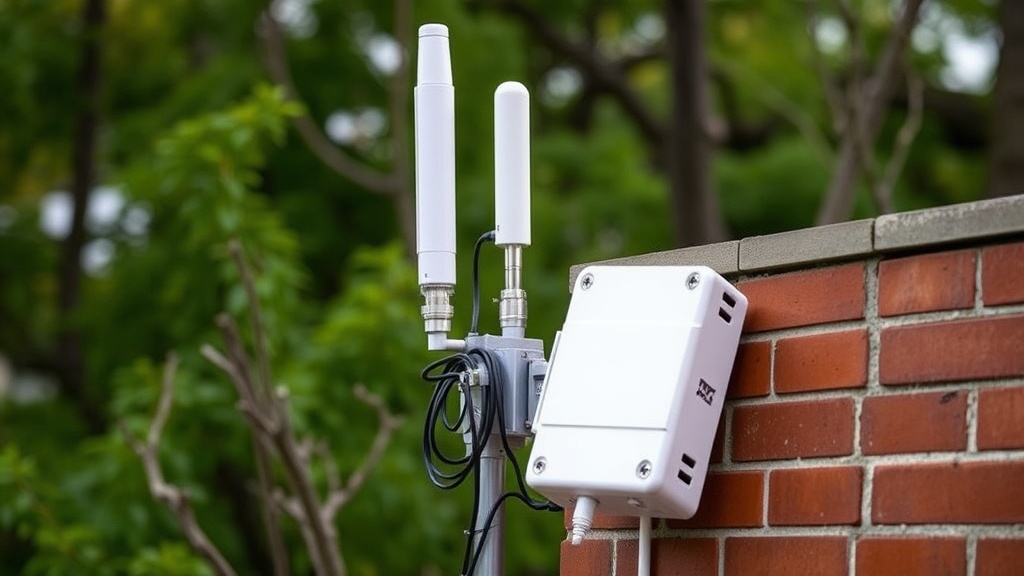
The first step involves inspecting the external antenna, which is the primary source of your booster’s signal. Ensure it’s securely connected, undamaged, and positioned in an optimal location. Consider these tips:
- Place the antenna in a high, unobstructed outdoor space
- Avoid areas with heavy metal or electronic interference
- Use a longer cable if the antenna needs to be positioned farther away from obstructions
Research shows that improper antenna placement can reduce booster efficiency by up to 50%, so this step is critical. If the antenna is damaged or outdated, replacing it can resolve telus boosters not working.
Step 2: Update Firmware and Software
Outdated firmware can cause compatibility issues or bugs that interfere with booster operation. Check your device’s settings or manufacturer’s app for available updates. Many issues resolve after a simple firmware upgrade, including:
- Stability improvements
- Enhanced compatibility with network updates
- New features for better management
Many booster manufacturers release regular updates—failing to install these can lead to persistent telus boosters not working problems.
Step 3: Reset and Reconfigure Your Booster
If problems persist, performing a factory reset can clear glitches. Consult your device manual for reset instructions, which typically involve pressing a small reset button for several seconds. After resetting:
- Reconfigure the booster according to the manufacturer’s guidelines
- Ensure proper placement of both the outdoor antenna and indoor unit
- Test the connection after each adjustment
This process often clears up telus boosters not working issues caused by misconfiguration.
Optimizing Your Signal After Troubleshooting
Best Practices for Antenna Placement
Once your booster is functioning, optimizing its placement ensures maximum performance. Consider these best practices:
- Position the outdoor antenna in a high, unobstructed outdoor location
- Avoid areas near large metal objects, wiring, or electronic devices
- Use a longer cable to find the clearest outdoor spot
- Experiment with different angles and locations for optimal signal reception
Internal Setup and Network Integration
Configure your booster to match your specific network parameters. This includes selecting the correct band and ensuring your device is authorized by Telus. Additionally, check compatibility with your phone or device to prevent telus boosters not working scenarios caused by incompatible hardware.
Monitoring Performance and Routine Maintenance
Regularly check your booster’s status lights and perform firmware updates. Periodic repositioning of antennas based on signal strength tests can also enhance performance. Remember, external factors like weather conditions or nearby construction can temporarily affect signal quality, so stay vigilant.
References and Resources
These resources provide valuable information about telus boosters not working. Check them out for additional insights:
Authoritative Sources on telus boosters not working
-
Telus Support Center
telus.comOfficial troubleshooting guides and firmware updates for Telus boosters.

-
Wireless Signal Solutions
rbbnet.comInsights into booster installation best practices and interference mitigation.
-
Federal Communications Commission
fcc.govRegulations and guidelines on cell signal boosters and interference issues.
-
TechRadar
techradar.comReviews and troubleshooting tips for cellular signal boosters.
-
CNET
cnet.comPractical advice on boosting cellular signals and fixing common issues.
-
Tech Advisor
techadvisor.comBest practices for installing and maintaining cellular signal boosters.
-
Mobile World Live
mobileworldlive.comIndustry news and updates on cellular infrastructure and booster technology.
-
ResearchGate
researchgate.netAcademic papers on cellular signal propagation and booster effectiveness.
Frequently Asked Questions
Why are my telus boosters not working after installation?
Post-installation issues often stem from incorrect placement, outdated firmware, or interference. Ensuring proper antenna placement, updating device software, and minimizing electronic interference can resolve many telus boosters not working problems.
How can I troubleshoot telus boosters not working?
Start by checking antenna connections, updating firmware, resetting the device, and repositioning antennas. Follow a systematic approach to eliminate common issues and restore your booster’s functionality.
What should I do if telus boosters not working despite troubleshooting?
If troubleshooting fails, contact Telus customer support or consider replacing the booster. Sometimes external factors or hardware failures require professional assistance or device upgrades.
Can interference cause telus boosters not working?
Absolutely. Electronic interference from Wi-Fi routers, microwave ovens, or metal structures can disrupt booster signals. Proper placement and minimizing interference sources are key to ensuring optimal performance.
How often should I update my booster’s firmware?
Regular updates are recommended every few months or whenever the manufacturer releases new firmware. Staying current helps prevent issues like telus boosters not working caused by outdated software.
Conclusion
When facing persistent telus boosters not working, the key is systematic troubleshooting combined with proper setup and maintenance. Understanding common causes, performing targeted diagnostics, and optimizing placement can dramatically improve your signal quality. Remember, sometimes external factors like interference or network outages may be to blame, but most issues are resolvable with patience and the right approach.
Reclaiming reliable connectivity isn’t just about fixing a device—it’s about ensuring seamless communication for your personal and professional life. Don’t hesitate to seek professional support if troubleshooting doesn’t yield results. Ultimately, a properly functioning telus booster can transform your connectivity experience, turning frustration into satisfaction.
Find out more information about “telus boosters not working”
Search for more resources and information: