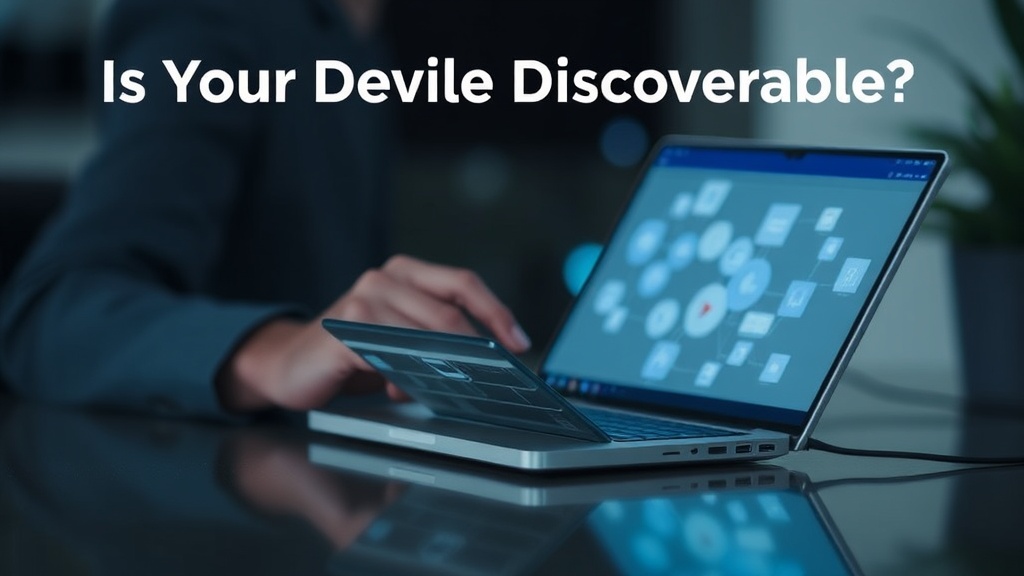
Is Your Device Discoverable? Essential Tips to Confirm and Enhance Your Connectivity Now
In today’s hyper-connected world, understanding whether your device is discoverable is crucial for seamless communication, sharing, and security. Whether you’re connecting a Bluetooth speaker, a smartphone, or a smart home device, the question “how do I know if my device is discoverable” often comes up. Many users find themselves asking this because it directly impacts their ability to connect with others or access certain features. So, how do i know if my device is discoverable is not just a technical query but a vital step in managing your device’s privacy and functionality.
If you’re unsure about the discoverability status of your device, you’re not alone. Most modern gadgets have settings that control their visibility to other devices, but these options can sometimes be hidden or confusing. This article will guide you through the essential tips to confirm whether your device is discoverable and how to improve its visibility when needed. Ultimately, knowing how do i know if my device is discoverable can save you time, enhance your connectivity, and protect your privacy.
Understanding Device Discoverability
What Does ‘Discoverable’ Mean?
At its core, device discoverability refers to the ability of a device to be identified and seen by other devices within range. When a device is discoverable, it broadcasts its presence to nearby gadgets, making it easier to pair or connect. Think of it like broadcasting your name on a Wi-Fi network or turning on Bluetooth visibility for nearby devices to find you. This feature is essential for quick and hassle-free connections, especially in crowded environments like cafes or offices.
However, discoverability also raises privacy concerns. A discoverable device might be vulnerable to unauthorized access or tracking. Therefore, it’s crucial to understand when and how to enable or disable discoverability based on your needs.
Why Is Discoverability Important?
Knowing how do i know if my device is discoverable is vital because it directly impacts your connectivity options. For instance, if you’re trying to pair a Bluetooth headset, your device needs to be discoverable. Conversely, if you’re concerned about security, keeping your device hidden minimizes the risk of unwanted connections.
Consider this scenario: You’re at a conference, and your phone is set to be discoverable via Bluetooth. Someone nearby attempts to connect, but your device isn’t visible. You might wonder, “how do I know if my device is discoverable?” The answer lies in checking your device settings, which we’ll explore in the next sections.
How Do I Know If My Device Is Discoverable?
Checking Discoverability on Smartphones and Tablets
One of the most common questions is how do i know if my device is discoverable on your mobile device. The process varies slightly between iOS and Android, but the principles are similar:
- iOS Devices: Navigate to Settings > Bluetooth. If Bluetooth is turned on and your device’s name appears under “My Devices,” it is discoverable when pairing. To make it discoverable to others, ensure Bluetooth is active and your device isn’t connected to another device that might hide it.
- Android Devices: Go to Settings > Connected devices > Bluetooth. Toggle Bluetooth on and check if your device name appears under “Available devices.” If it’s listed, your device is discoverable for pairing.
In both cases, if your device isn’t appearing, it might be set to hidden, or Bluetooth might be turned off. To confirm how do i know if my device is discoverable, just verify these basic settings.
Checking Discoverability on Windows and Mac
For computers, the process involves checking network and Bluetooth settings:
- Open Settings > Devices > Bluetooth & other devices (Windows). Ensure Bluetooth is on. When pairing, your device is discoverable.
- On Mac, go to System Preferences > Bluetooth. When Bluetooth is active, your Mac appears as discoverable, especially during pairing processes.
In both cases, if your device isn’t showing up when attempting to connect, it’s likely not discoverable at that moment. Always ensure Bluetooth is enabled and your device is in pairing mode to be visible to others.
Steps to Check Discoverability on Different Devices
How do I check if my Bluetooth device is discoverable?
Bluetooth devices often have an indicator or a specific mode for discoverability. Here’s a quick step-by-step:
- Turn on Bluetooth on the device.
- Activate pairing mode (often involves holding a button until an LED flashes).
- Look for the device name on your connecting device’s Bluetooth list.
- If the device appears, it’s discoverable.
For example, a Bluetooth speaker typically enters pairing mode with a button press. When in pairing mode, it broadcasts its presence, making it discoverable. If you’re unsure how do i know if my device is discoverable at any point, consult the device’s manual for specific instructions.
How do I check discoverability on smart home devices?
Smart home gadgets like smart bulbs or security cameras usually have companion apps that control their visibility. To confirm discoverability:
- Open the device’s app.
- Navigate to device settings or network options.
- Look for options labeled ‘Visibility,’ ‘Discoverability,’ or similar.
- Enable or disable discoverability as needed.
Some devices automatically become discoverable when powered on, while others require manual activation. Ensuring your device is discoverable when needed can ease setup and control.
Tips to Enhance Your Device’s Discoverability
Best Practices for Managing Discoverability
To keep your devices accessible yet secure, consider these tips:
- Enable discoverability only when pairing or sharing.
- Disable discoverability after setup to prevent unauthorized access.
- Use device-specific settings to control visibility—some devices allow temporary discoverability.
- Update firmware and software to ensure optimal discoverability features and security patches.
- Label your devices clearly to avoid confusion during pairing.
It’s worth noting that how do i know if my device is discoverable can be checked quickly by reviewing the device’s status indicators or settings menus. This proactive approach enhances your control over connectivity and privacy.
Examples of Improving Discoverability in Practice
Imagine you’re setting up a new Bluetooth keyboard. You turn it on, press the pairing button, and wait for it to appear on your laptop. If it doesn’t show up, you might need to reset or re-enter pairing mode. Conversely, for a smart speaker, enabling pairing mode temporarily makes it discoverable, after which you should disable it to prevent unwanted pairing.

Research shows that many security breaches stem from devices remaining discoverable longer than necessary. Therefore, managing discoverability actively is a best practice for all users.
Common Troubleshooting and FAQs
Q1: How do I know if my device is discoverable after turning it on?
How do I know if my device is discoverable after turning it on?
Most devices display an LED indicator or show a notification confirming they are in discoverable mode. For example, Bluetooth devices often flash a light or emit a sound during pairing. Checking your device’s manual can provide specific cues for discoverability status.
Q2: Can I make my device discoverable remotely?
Can I make my device discoverable remotely?
Typically, discoverability must be enabled locally on the device. Some smart devices allow remote configuration via apps or web portals, but for most Bluetooth and Wi-Fi devices, physical interaction is required to toggle their visibility status.
Q3: What should I do if my device isn’t appearing during pairing?
What should I do if my device isn’t appearing during pairing?
First, ensure the device is powered on and in discoverable mode. Restart the device and your connecting device, then attempt pairing again. Also, check for interference or distance issues. If problems persist, resetting the device to factory settings may help.
Q4: How do I ensure my device remains secure when discoverable?
How do I ensure my device remains secure when discoverable?
Only enable discoverability when necessary. Turn it off immediately after pairing or sharing. Keep your device’s firmware updated and avoid using default passwords. Regularly review connected devices to prevent unauthorized access.
References and Resources
These resources provide valuable information about how do i know if my device is discoverable. Check them out for additional insights:
Authoritative Sources on how do i know if my device is discoverable
-
Apple Support: Pairing Bluetooth Devices
support.apple.comGuidance on Bluetooth discoverability and pairing processes for iOS devices, helping users understand how to verify their device’s visibility status.
-
Google Support: Bluetooth Device Pairing
support.google.comOfficial instructions for Android users on checking and managing Bluetooth discoverability, ensuring seamless device pairing.
-
Microsoft Support: Connect Bluetooth Devices in Windows 10
support.microsoft.comStep-by-step guide for Windows users to verify and manage Bluetooth discoverability for their PCs.
-
Apple Developer Documentation: Core Bluetooth
developer.apple.comIn-depth technical documentation for developers working with Bluetooth discoverability and device visibility on Apple platforms.
-
CNET: How to Make Your Bluetooth Device Discoverable
cnet.comPractical tips and troubleshooting advice for everyday users to ensure their Bluetooth devices are discoverable when needed.
-
TechRadar: Connecting Bluetooth Devices
techradar.comComprehensive guide to Bluetooth connectivity, including how to verify discoverability and troubleshoot common issues.
-
Wired: Protect Your Smart Devices
wired.comInsights into maintaining security while managing device discoverability in smart homes and IoT environments.
Conclusion
Understanding how do i know if my device is discoverable is fundamental for effective device management, whether for security, convenience, or troubleshooting. The key takeaway is that verifying your device’s visibility status involves simple checks in settings menus or physical indicators. Regularly managing this setting ensures you’re in control of your connections without exposing your device unnecessarily.
As technology evolves, so do the methods for managing discoverability, making it essential to stay informed. By mastering these tips and resources, you can confidently confirm whether your device is discoverable and optimize its connectivity. Remember, the question “how do I know if my device is discoverable” is not just about technical curiosity but about safeguarding your digital environment while maintaining seamless communication.
Find out more information about “how do i know if my device is discoverable”
Search for more resources and information: