Discover the Secrets Behind Telus Home Phone: How It Works to Keep You Connected Seamlessly
Introduction to Telus Home Phone
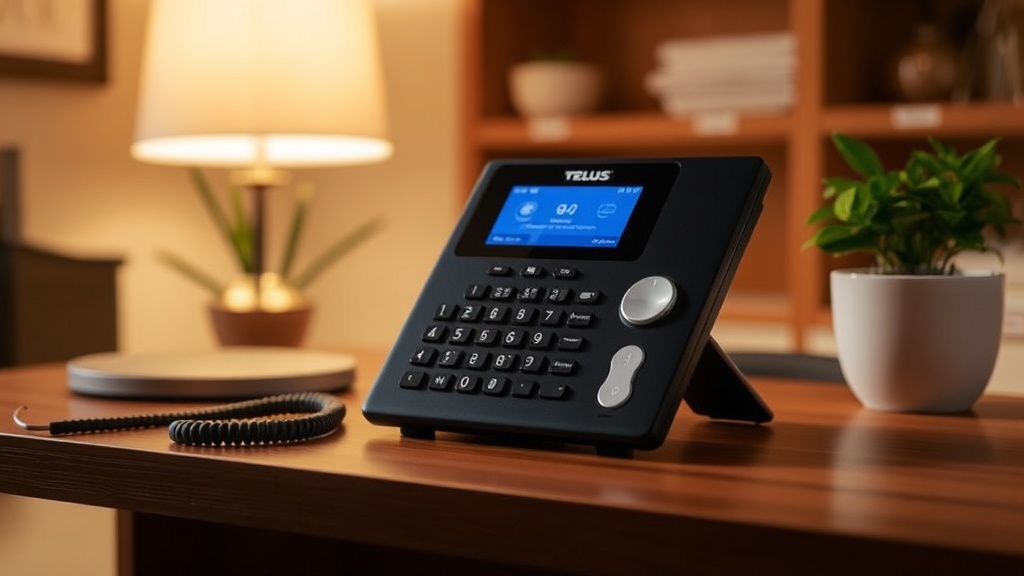
In an era dominated by mobile devices and internet-based communication, the reliability of traditional home phones remains a vital concern for many households. Telus, one of Canada’s leading telecommunications providers, continues to offer a robust home phone service trusted by millions. But how does telus home phone work exactly, and what makes it a reliable choice for seamless communication? Understanding the inner workings of Telus’s home phone system reveals a fascinating blend of traditional telephony and modern technology designed to keep you connected at all times.
For those curious about the mechanics behind this service, this article dives deep into the technology, infrastructure, and operational principles that enable Telus to deliver crystal-clear voice calls. Whether you’re considering switching to Telus or simply want to satisfy your tech curiosity, knowing how does telus home phone work can help you appreciate the reliability and innovation behind your landline connection.
Understanding how does telus home phone work
Basic Principles of Telus Home Phone Technology
At its core, Telus home phone operates through a sophisticated network that bridges traditional landline technology with modern digital systems. Unlike mobile phones that rely on cellular networks, Telus’s landline service uses a wired connection—primarily via copper or fiber optic cables—to transmit voice signals. The question remains: how does telus home phone work? The answer lies in the transmission of analog and digital signals over a dedicated network infrastructure.
When you pick up the phone, your voice is converted into electrical signals that travel through the network to reach the recipient. This process involves several key components, including the local exchange, the transport network, and the central switching system. Telus’s infrastructure ensures that these signals are transmitted quickly, accurately, and with minimal latency, providing a seamless calling experience.
How Telus Digitalizes Traditional Voice Signals
Modern Telus home phones often use Voice over Internet Protocol (VoIP) technology, which digitizes voice signals for transmission over the internet or fiber optic lines. This offers several advantages:
- Enhanced call quality and clarity
- Additional features like call forwarding, voicemail, and caller ID
- Integration with internet services for unified communication
To understand how does telus home phone work in a digital context, consider this process: when you speak into your phone, your voice is encoded into data packets. These packets travel through the Telus network, often via fiber optic cables, until they reach the recipient’s device, where they are decoded back into audible sound. This transition from analog to digital signals is fundamental to Telus’s modern telephony system.
The Technology Behind Telus Home Phone
Fiber Optic and Copper Network Infrastructure
One of the key aspects of how does telus home phone work is its reliance on extensive fiber optic and copper infrastructure. Fiber optic cables provide high-speed data transmission with minimal loss, ensuring superior call quality and reliability. Copper lines, still in widespread use, serve as the backbone for traditional landline communications.
Most Telus users benefit from a hybrid network: fiber optics connect the central office to neighborhoods, while copper lines extend to individual homes. This setup allows for both high bandwidth internet and reliable landline voice services. For rural or remote areas, Telus’s network adapts by using wireless or satellite technology to maintain connection integrity.
Role of Digital Signal Processing
In the realm of how does telus home phone work, digital signal processing (DSP) plays a pivotal role. DSP algorithms clean, compress, and encode voice signals, optimizing them for transmission. This process reduces noise, improves clarity, and enables advanced features like voice recognition and call encryption.
Furthermore, DSP enhances the network’s ability to prioritize voice traffic, reducing latency during peak usage times—another factor contributing to Telus’s reputation for reliable service.
How Telus Ensures Seamless Connectivity
Network Redundancy and Reliability
A critical element of how does telus home phone work to keep you connected seamlessly is its redundant network design. Telus invests heavily in backup systems, including alternative routing paths and power supplies, ensuring service remains uninterrupted during outages or maintenance.
For example, if a fiber optic cable gets damaged, the system automatically reroutes calls through alternate pathways, maintaining voice quality and connection stability. This redundancy is vital for emergency calls and business communications where reliability is non-negotiable.
Integration with Emergency Services
Another aspect that highlights how does telus home phone work seamlessly is its integration with emergency services. When you dial emergency numbers, your location data is transmitted alongside your call, enabling rapid response. This is achieved through advanced location tracking and network prioritization, ensuring safety and peace of mind for users.
Advanced Features Enhancing User Experience
- Voicemail and Call Forwarding
- Caller ID and Call Waiting
- Spam and Fraud Blockers
- Integration with Smart Home Devices
All these features are possible because of the robust network infrastructure and digital processing capabilities that Telus employs, illustrating how does telus home phone work to provide a comprehensive, user-friendly service.

Comparing Telus Home Phone with Modern Alternatives
While many rely on mobile devices and internet-based communication apps, traditional landline services like Telus’s still hold significance. The question often arises: how does telus home phone work compare to VoIP services or mobile networks?
Here’s a quick comparison:
- Reliability: Telus landlines generally offer superior reliability, especially during power outages, since they often operate independently of household electricity.
- Call Quality: Fiber optic connections provide crystal-clear audio, often better than mobile networks, especially in rural or congested areas.
- Cost: Fixed monthly rates for landline services tend to be predictable, whereas mobile and VoIP plans can vary based on usage.
- Features: Modern services offer advanced features, but traditional landlines often provide straightforward, dependable voice communication.
Understanding how does telus home phone work in comparison to these alternatives helps consumers make informed decisions based on their needs for reliability, cost, and features.
References and Resources
These resources provide valuable information about how does telus home phone work. Check them out for additional insights:
Authoritative Sources on how does telus home phone work
-
Telus Official Website
telus.comProvides detailed technical descriptions and service features explaining how does telus home phone work.
-
Canadian Radio-television and Telecommunications Commission (CRTC)
ic.gc.caRegulatory insights into telecommunication infrastructure and service standards in Canada.
-
FCC Consumer Guides
fcc.govComparison of landline and mobile services, including reliability and quality aspects.
-
TechRadar Telephony Reviews
techradar.comExpert reviews on telephony technology, including VoIP and fiber optic systems.
-
BBC Technology News
bbc.comCoverage of innovations in telecommunications and how they impact traditional systems.
Conclusion
Understanding how does telus home phone work reveals the intricate yet reliable network infrastructure that keeps millions connected. From fiber optic backbone connections to advanced digital processing, Telus’s system exemplifies how traditional telephony can adapt to modern demands, ensuring clear, dependable communication. The reality is, whether for emergency calls, daily conversations, or business needs, knowing how does telus home phone work enhances your appreciation for this dependable service.
As technology evolves, the core principles of Telus’s approach—reliability, clarity, and seamless connectivity—remain foundational. If you’re considering a landline or want to understand the technology behind your current service, recognizing how does telus home phone work can help you make informed decisions that suit your communication needs.
Find out more information about “how does telus home phone work”
Search for more resources and information: