Troubleshoot and Resolve the Telus Door Lock Malfunction to Keep Your Home Safe and Connected
In today’s connected world, a malfunctioning smart lock can cause major security concerns and inconvenience. If you’ve experienced a telus door lock malfunction, you’re not alone. Such issues can disrupt your home security system and leave you feeling vulnerable. Understanding the root causes of this problem and knowing how to troubleshoot it effectively is crucial for maintaining a safe and connected home environment.
The telus door lock malfunction can manifest in various ways—failure to lock or unlock remotely, unresponsive keypad, or connectivity issues with your mobile app. This guide aims to help you diagnose and resolve these issues efficiently, ensuring your home stays secure and your smart home ecosystem remains seamless. Let’s dive into the common causes and practical solutions for addressing the telus door lock malfunction.
Understanding the Telus Door Lock Malfunction
Before jumping into fixes, it’s important to grasp what constitutes a telus door lock malfunction. Essentially, it refers to any failure or irregularity in your smart lock’s operation—whether it’s a mechanical glitch, connectivity error, or power issue. Recognizing the symptoms can help you quickly identify whether it’s a simple fix or requires professional intervention.
Common signs include difficulty locking or unlocking via the app, the lock not responding to keypad commands, or inconsistent connection with your home Wi-Fi network. These issues can stem from hardware faults, software bugs, or network disruptions. Being aware of these symptoms allows homeowners to troubleshoot effectively, minimizing downtime and maintaining home security.
Common Causes and Symptoms of the Telus Door Lock Malfunction
Typical Causes of a telus door lock malfunction
- Power supply issues: Dead batteries or power surges can incapacitate the lock’s electronic components.
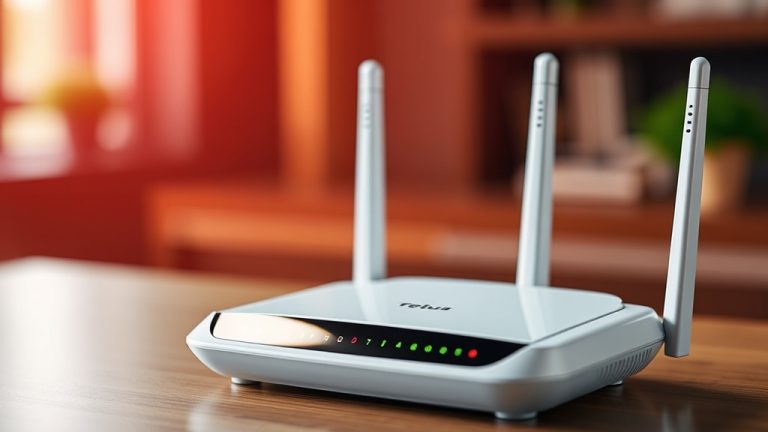
- Connectivity problems: Weak Wi-Fi signals or router issues often impair communication between your lock and control devices.
- Software glitches: Firmware bugs or outdated apps can cause malfunctions or unresponsiveness.
- Hardware faults: Mechanical defects, damaged sensors, or faulty wiring may lead to lock failures.
- Security breaches or interference: External interference or hacking attempts could disrupt normal operation.
Symptoms of a telus door lock malfunction
- Inability to lock or unlock remotely
- Unresponsive keypad or app commands
- Erratic lock status indicators (e.g., showing locked when unlocked)
- Delayed responses or timeouts during operation
- Frequent disconnection from Wi-Fi or mobile device
Understanding these causes and symptoms aids in diagnosing the issue quickly. For example, if the lock’s batteries are dead, replacing them often resolves the problem instantly. Conversely, persistent connectivity issues may require more in-depth troubleshooting, which we’ll detail next.
Step-by-Step Troubleshooting Guide for the telus door lock malfunction
Initial assessment and basic fixes
- Check the power source: Replace batteries if they’re low or dead. Most smart locks have a battery indicator or alert system.
- Restart the device: Power off the lock and turn it back on after a few seconds to reset minor glitches.
- Verify Wi-Fi connection: Ensure your home network is active. Test other devices for connectivity issues.
- Update firmware and app: Check for updates through the app or manufacturer’s website; outdated software can cause malfunctions.
Advanced troubleshooting steps
- Reset the lock: Perform a factory reset following manufacturer instructions. Usually involves pressing a reset button or using the app.
- Reconfigure the device: Reconnect the lock to your Wi-Fi network and re-link it to your app.
- Check for interference: Remove potential signal blockers or interference sources near the lock.
- Inspect hardware components: Look for visible damage or loose wiring, especially if the lock has been recently installed or moved.
When to seek professional help
If you’ve tried all the above steps and still experience a telus door lock malfunction, it’s time to contact customer support or a professional locksmith. Persistent issues might indicate hardware failure or deeper network problems that require expert intervention.
Preventive Measures and Maintenance Tips
To avoid future telus door lock malfunction, regular maintenance is key. Ensure batteries are replaced periodically, ideally every 6-12 months, depending on usage. Keep firmware updated to benefit from the latest security patches and features.
Additionally, periodic checks of the Wi-Fi signal strength near the lock can prevent connectivity disruptions. Consider deploying Wi-Fi extenders if the lock is located far from your router. Regularly inspect the lock for physical damage or debris, which can impair mechanical operation.
One critical aspect of maintaining your smart lock involves software updates. Manufacturers often release patches that fix bugs or enhance security. Neglecting these updates can leave your system vulnerable or prone to malfunctions like the telus door lock malfunction.
Frequently Asked Questions
What are the common causes of a telus door lock malfunction?
Common causes include power issues like dead batteries, Wi-Fi connectivity problems, firmware bugs, hardware faults, and interference from other electronic devices. Identifying the specific cause helps tailor the troubleshooting process for effective resolution.
How do I reset my Telus smart lock to fix a telus door lock malfunction?
Most Telus smart locks can be reset by pressing and holding a designated reset button or through the app. Follow the manufacturer’s instructions carefully to avoid accidental damage. Resetting often clears minor glitches and restores standard operation.
Can software updates resolve a telus door lock malfunction?
Yes, updating the lock’s firmware and related apps can fix bugs that cause malfunctions. Manufacturers regularly release updates to improve stability, security, and compatibility, reducing the likelihood of issues like the telus door lock malfunction.
What should I do if my smart lock remains unresponsive after troubleshooting?
If troubleshooting doesn’t resolve the issue, contact Telus customer support or a professional locksmith. Persistent unresponsiveness may indicate hardware failure or complex network issues requiring expert diagnosis and repair.
Conclusion
Addressing a telus door lock malfunction promptly is essential for maintaining your home’s security and ensuring seamless connectivity within your smart home ecosystem. The key to effective troubleshooting lies in understanding the root causes—whether power, connectivity, software, or hardware related—and systematically resolving them.

Regular maintenance, timely firmware updates, and vigilant checks can significantly reduce the chances of future malfunctions. Remember, if simple troubleshooting steps fail to restore proper operation, seeking professional assistance is always advisable. In an era where digital security is paramount, staying proactive about your smart lock’s health ensures peace of mind and continued home safety.
References and Resources
These resources provide valuable information about telus door lock malfunction. Check them out for additional insights:
Authoritative Sources on telus door lock malfunction
-
Telus Support: Smart Lock Troubleshooting
telus.comOfficial troubleshooting guide for Telus smart locks, covering common issues and solutions related to telus door lock malfunction.
-
Consumer Reports: Best Smart Locks
consumerreports.orgComprehensive reviews on smart lock reliability, including troubleshooting tips for common malfunctions.
-
TechRadar: Top Smart Locks of 2023
techradar.comInsightful articles on the latest smart lock features and troubleshooting advice for telus door lock malfunction.
-
U.S. Department of Energy: Home Security Tips
energy.govGuidelines on maintaining electronic security devices, including smart locks, to prevent malfunctions.
-
IHS Markit: IoT Security Reports
ihs.comResearch on IoT device vulnerabilities, including smart locks, and best practices to avoid malfunctions and security breaches.
-
Security Magazine
securitymagazine.comArticles on smart lock security, troubleshooting, and maintaining device integrity to prevent malfunctions.
-
ResearchGate: IoT Security Studies
researchgate.netAcademic research on vulnerabilities and solutions for IoT devices like smart locks, offering in-depth insights into troubleshooting complex issues.
Final Thoughts
Dealing with a telus door lock malfunction can be frustrating, but most issues are manageable with systematic troubleshooting. Recognizing the symptoms early and applying the right fixes not only restores your home’s security but also reinforces your confidence in your smart home system.
Remember, routine maintenance and staying informed about firmware updates are your best defenses against future malfunctions. Whether it’s replacing batteries, updating software, or consulting professionals, proactive steps ensure your home remains safe, connected, and hassle-free in the long run.

Find out more information about “telus door lock malfunction”
Search for more resources and information: