
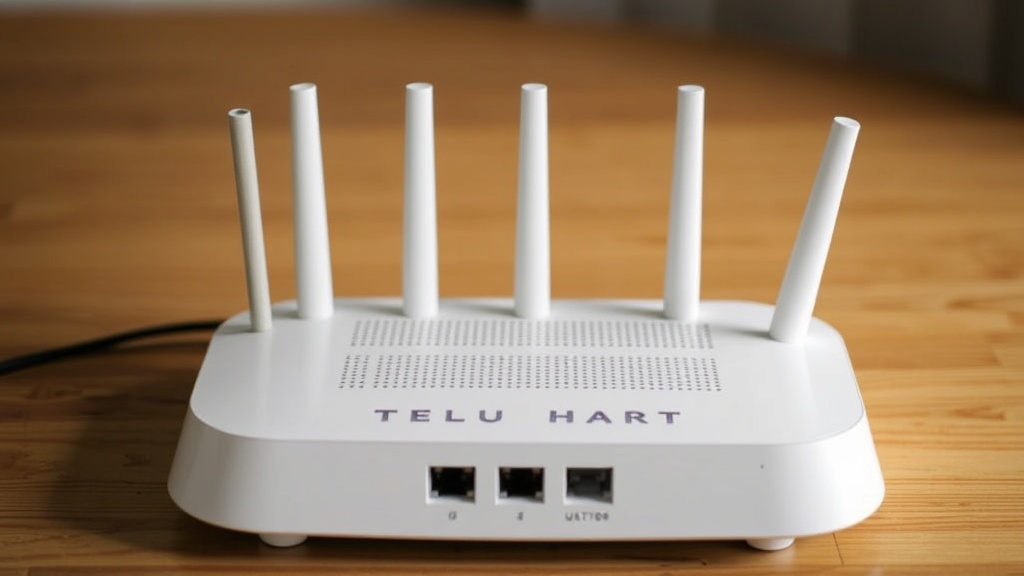
Conquer telus hub problems: Boost your connection speed and enjoy uninterrupted service today
Understanding telus hub problems
In today’s hyper-connected world, a reliable internet connection is no longer a luxury—it’s a necessity. Many Telus Hub users face recurring telus hub problems that disrupt their daily routines, whether for remote work, streaming, or gaming. Recognizing the root causes of these issues can be the first step toward a smoother online experience.
The reality is, telus hub problems can manifest in various ways: slow speeds, dropped connections, or complete outages. These issues often stem from hardware malfunctions, network congestion, or external factors like signal interference. Understanding these common pain points sets the foundation for effective troubleshooting and resolution.
This article aims to guide you through diagnosing and fixing telus hub problems efficiently, ensuring your internet connection remains fast and reliable. From identifying the causes to implementing practical solutions, you’ll learn how to conquer these problems today.
Common causes of telus hub problems
When it comes to telus hub problems, pinpointing the cause is crucial. Several factors could be at play, and understanding these will help you address the issue more effectively.
Hardware issues
Problems such as outdated firmware, faulty cables, or malfunctioning devices can significantly impact your connection. For example, a Telus Hub with outdated firmware may struggle to handle modern internet speeds, leading to slowdowns or disconnections.
Network congestion
During peak usage hours, many users in the same area may experience bandwidth shortages, causing sluggish speeds and intermittent connectivity. This is common in densely populated neighborhoods or apartment complexes.
External interference
Wireless signals are susceptible to interference from other electronics, thick walls, or nearby devices like cordless phones. This interference can cause telus hub problems, especially in environments with multiple competing signals.
Service outages or maintenance
Sometimes, telus hub problems are due to scheduled maintenance or unexpected outages by Telus that temporarily disrupt service. Checking Telus’s service alerts can provide insights into such issues.
Examples and case study
For instance, a small business relying on Telus internet experienced persistent slow speeds during midday. After diagnosing, they found network congestion was the culprit, as many employees used high-bandwidth applications simultaneously. Upgrading their plan and optimizing device placement alleviated the problem.
How to fix telus hub problems
Addressing telus hub problems involves a series of practical steps. Here’s a comprehensive guide to troubleshoot common issues and restore optimal connection speeds.
Step 1: Restart your Telus Hub
Often, a simple reboot can resolve temporary glitches:
- Unplug the Telus Hub from power.
- Wait for 30 seconds.
- Plug it back in and wait for it to fully reboot.
This process clears memory and resets network connections, which can often fix minor telus hub problems.
Step 2: Check for firmware updates
Keeping your device updated ensures optimal performance:
- Access the Telus Hub admin portal via your web browser.
- Login with your credentials.
- Navigate to the firmware update section.
- If an update is available, follow prompts to install it.
Manufacturers release updates to fix bugs and improve stability, directly impacting telus hub problems resolution.
Step 3: Optimize placement and reduce interference
Physical placement greatly influences signal quality:
- Position your hub in a central, open location away from thick walls or metal objects.
- Avoid placing the device near cordless phones, microwaves, or other wireless electronics.
- Use Wi-Fi extenders or mesh networks if needed to improve coverage.
These adjustments can significantly diminish telus hub problems caused by interference.
Step 4: Check your network for congestion
Heavy bandwidth use can slow down speeds:
- Identify devices consuming high bandwidth (e.g., streaming, gaming).
- Limit usage during peak hours.
- Upgrade your plan if consistently facing congestion issues.
Implementing these steps can help you overcome the typical telus hub problems related to network congestion.
Step 5: Contact Telus support for persistent issues
If problems persist after troubleshooting:
- Visit the Telus support website or call customer service.
- Report your specific telus hub problems.
- Request a technician visit if hardware replacement or further diagnostics are needed.
Professional assistance may be necessary for complex issues beyond basic troubleshooting.
Preventative measures and tips
Prevention is better than cure, especially when it comes to telus hub problems. Implementing proactive strategies can keep your internet running smoothly.
- Regular firmware updates: Always keep your Telus Hub current to benefit from security patches and performance improvements.
- Optimal placement: Position your device in a central, elevated location for maximum coverage.
- Limit device interference: Keep other electronics away from your hub; switch to 5 GHz Wi-Fi if available for less congestion.
- Monitor usage: Use network management tools to identify and control bandwidth-hogging devices or applications.
- Schedule routine reboots: Regularly restart your hub to prevent accumulation of errors or cache overloads.
Comparing environments, homes with modern mesh networks report fewer telus hub problems compared to traditional setups. Upgrading hardware or optimizing your network layout can make a substantial difference.
FAQs about telus hub problems
Frequently Asked Questions
What are the most common telus hub problems?
The most common telus hub problems include slow speeds, intermittent disconnections, Wi-Fi coverage issues, and hardware malfunctions. External interference and network congestion also play significant roles.
How can I troubleshoot telus hub problems myself?
Start with a reboot, check for firmware updates, optimize your device placement, and limit bandwidth-heavy activities. If issues persist, contacting Telus support is recommended for advanced troubleshooting.
Can I prevent telus hub problems?
Yes, by maintaining updated firmware, placing your hub correctly, reducing interference, and monitoring your network activity. These proactive steps significantly reduce the likelihood of encountering telus hub problems.
What should I do if my telus hub keeps disconnecting?
First, restart your device and check for firmware updates. Ensure the hub is optimally placed and free from interference. Persistent disconnections may require a technician visit or hardware replacement from Telus.
Are telus hub problems covered under warranty?
Most hardware malfunctions related to telus hub problems are covered under warranty. Contact Telus support to verify your warranty status and arrange repairs or replacements.
Conclusion
In conclusion, telus hub problems can range from minor inconveniences to major connectivity disruptions. Understanding their common causes—such as hardware issues, network congestion, and interference—is the first step toward effective troubleshooting. Implementing simple solutions like rebooting your device, optimizing placement, and keeping firmware updated can often resolve these problems quickly.
However, persistent telus hub problems may require professional assistance. Staying proactive with maintenance and monitoring your network health ensures a stable, fast, and reliable internet connection. Don’t let connectivity issues hold you back—conquer your telus hub problems today, and enjoy uninterrupted service that keeps you connected to what matters most.
References and Resources
These resources provide valuable information about telus hub problems. Check them out for additional insights:
Authoritative Sources on telus hub problems
-
Telus Support: Internet Troubleshooting
telus.comProvides comprehensive guides for resolving common telus hub problems and optimizing your setup.
-
CBC News: Internet Outage Reports
cbc.caReal-time outage reports and analysis, useful for identifying external causes of telus hub problems.

-
TechRadar: Best Wi-Fi Routers
techradar.comReviews and comparisons of hardware upgrades that can help prevent telus hub problems.
-
ITU: Network Management Best Practices
itu.intGuidelines for maintaining network stability and reducing telus hub problems caused by external factors.
-
Cisco: Wi-Fi Interference Solutions
cisco.comExpert advice on minimizing wireless interference and improving your telus hub problems.
-
Digital Trends: Router Buying Guides
digitaltrends.comResources to help select the best hardware to prevent common telus hub problems.
-
IEEE Xplore: Network Reliability
ieeexplore.ieee.orgResearch papers on maintaining network reliability and reducing telus hub problems.

Find out more information about “telus hub problems”
Search for more resources and information: