
Discover the Telus Outage Map: Your Ultimate Tool to Track Disruptions and Maintain Seamless Connectivity
Understanding the Telus Outage Map
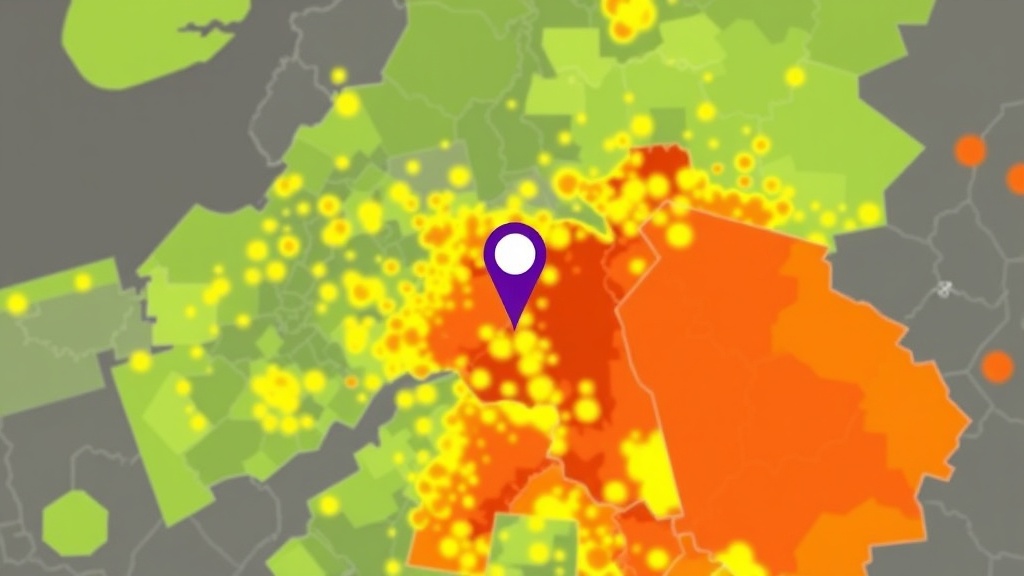
The telus outage map serves as an essential tool for customers to visualize current disruptions in Telus services across regions. Whether you’re experiencing slow internet, dropped calls, or complete service outages, this interactive map provides real-time updates that help users understand the scope and location of disruptions.
The telus outage map is designed not only for individual consumers but also for businesses that rely heavily on uninterrupted connectivity. It consolidates data from various sources, including customer reports and network monitoring systems, to give an accurate picture of service stability.
Research shows that during major outages, the telus outage map becomes an invaluable resource for troubleshooting and decision-making. It helps users determine whether the issue is widespread or localized, enabling faster responses and communication with customer service.
The reality is, outages can happen unexpectedly due to maintenance, technical failures, or external factors like severe weather. Having access to a reliable telus outage map ensures you’re not left in the dark—literally and figuratively—about service disruptions in your area.
How to Use the Telus Outage Map Effectively
Navigating the telus outage map is straightforward, but maximizing its benefits requires a few strategic steps. Here’s a quick guide to help you make the most of this powerful tool:
Step 1: Access the Map
– Visit the official Telus outage map webpage or use the Telus mobile app.
– Ensure your device has an active internet connection for real-time updates.
Step 2: Interpret the Data
– Look for color-coded regions indicating the severity of outages (e.g., red for widespread outages, yellow for localized issues).
– Hover over or click on specific areas to view detailed reports and updates.
Step 3: Cross-Check with Your Location
– Confirm if your address or neighborhood falls within an outage zone.
– Use the map to check historical outage patterns, which can reveal if disruptions are recurring in your area.
Step 4: Take Action Based on Insights
– If your area is affected, consider alternative solutions like Wi-Fi calling or temporary mobile hotspots.
– Stay informed with real-time updates, which can indicate when service is restored.
Additionally, some telus outage map tools include features like notification alerts and outage reports submitted by other users, which can further enhance your situational awareness.
Benefits of Monitoring Telus Outages with the Outage Map
Using the telus outage map offers numerous advantages, especially when rapid communication and decision-making become critical. Here are some key benefits:
- Quick Identification of Outages: Instantly see if your service disruption is part of a larger network issue.
- Reduced Frustration: Avoid unnecessary calls to customer support by verifying if your area is affected.
- Enhanced Planning: Schedule work or personal activities around known outage times or areas.
- Community Awareness: Share outage information with neighbors or colleagues to coordinate responses.
- Proactive Troubleshooting: Use the map’s data to inform your technical support requests, leading to faster resolutions.
Furthermore, during widespread outages, the telus outage map provides transparency, helping users understand the scale of the problem and anticipate recovery times. This proactive approach minimizes downtime and maintains productivity.
Consider this: during a recent outage in Vancouver, the map indicated a major regional disruption affecting thousands. Users who checked the map promptly could implement backup plans, such as switching to Wi-Fi or mobile data, ensuring minimal interruption.
Real-World Scenarios: When and Why to Check the Telus Outage Map
The telus outage map isn’t just for troubleshooting—it’s a strategic resource in various situations:
Scenario 1: Emergency Situations
In emergencies like severe storms or natural disasters, cellular and internet services often suffer outages. Monitoring the telus outage map can inform you whether the disruption is widespread or localized, helping you decide on alternative communication methods or evacuation plans.
Scenario 2: Planning for Major Events
Hosting a large event or conference? Checking the outage map beforehand ensures your infrastructure is stable, or you can prepare backup connectivity options. This foresight minimizes risks of service interruptions.
Scenario 3: During Maintenance Windows
Telus occasionally schedules maintenance that temporarily affects service. The outage map displays these planned disruptions, allowing you to plan around them without surprises.
Scenario 4: Customer Support Interaction
When reporting issues, referencing the outage map helps customer service representatives understand if your problem is part of a broader outage, leading to quicker resolutions and clearer communication.
Research shows that proactive monitoring via the telus outage map saves time and reduces frustration, especially during critical moments.
Additional Resources and FAQs
References and Resources
These resources provide valuable information about telus outage map. Check them out for additional insights:
Authoritative Sources on telus outage map
-
Telus Support Outage Page
Official resource providing real-time outage updates and service status information.This page often features the telus outage map embedded for quick reference, making it a primary source for outage tracking.
-
Government of Canada – Communications Services
Provides regulatory and industry updates, including service interruptions and outage management.Useful for understanding broader telecommunications infrastructure and outage response strategies.
-
TechCrunch – Telecom Industry News
Latest updates on telecom outages, industry trends, and technological advancements.While not specifically focused on Telus, it offers insights into outage management best practices relevant to the telus outage map.
Frequently Asked Questions
How accurate is the telus outage map in predicting service disruptions?
The telus outage map provides real-time, community-sourced data, making it highly accurate for current disruptions. However, it relies on user reports and network monitoring, so minor or localized outages might not immediately appear. Still, for large-scale outages, the map offers a reliable overview.
Can I report an outage through the telus outage map?
While the telus outage map primarily displays existing outages, some versions or related apps allow users to submit outage reports. This community input helps improve the map’s accuracy and keeps others informed about ongoing issues in their area.

What should I do if the outage map shows no issues, but I experience disruptions?
If the telus outage map indicates no outages, but your service remains unreliable, contact Telus customer support. It’s possible your issue is localized or device-specific. Troubleshooting steps include restarting your device, checking your equipment, or resetting network settings.
How often is the telus outage map updated?
The telus outage map is typically updated in real-time or at frequent intervals, especially during major outages. This ensures users receive the latest information about service status and can plan accordingly.
Conclusion
Understanding and utilizing the telus outage map is crucial for staying informed about network disruptions and maintaining seamless connectivity. Whether for personal use or business continuity, this tool provides real-time insights that empower users to respond swiftly and effectively. As technology advances, the telus outage map continues to be a vital resource in managing service reliability, especially during unexpected disruptions.
By proactively monitoring outages, you can minimize downtime, coordinate better responses, and ensure your communication channels remain open when they matter most. Embrace this powerful tool, and stay connected no matter what challenges arise.

Find out more information about “telus outage map”
Search for more resources and information: